

High-End Smartwatch Showdown
If you want a fitness tracker that can genuinely shape your training week, you are looking for more than step counts. The high-end smartwatch showdown in 2025 is about three things: how reliably the watch captures effort (heart rate and GPS), how well it supports recovery (sleep and readiness style insights), and whether it fits your life (battery, safety features, and ecosystem).
At RB100.Fitness we like tech, but we trust outcomes more than hype.
“data doesn’t lie.” — RB100.Fitness
This first part of our 2025 tracker review focuses on premium smartwatches: Apple Watch Series 11, Apple Watch Ultra 3, Garmin vívoactive 6, and Apple Watch SE 3. We will cover bands, budget trackers, and specialist wearables in follow-ups.
1) Apple Watch Series 11: the all-rounder for iPhone users
Apple positions Series 11 as its mainstream flagship, and the headline practicality upgrade is battery. Apple states up to 24 hours of normal use and up to 38 hours in Low Power Mode, plus fast charge options for daily wear and sleep tracking.
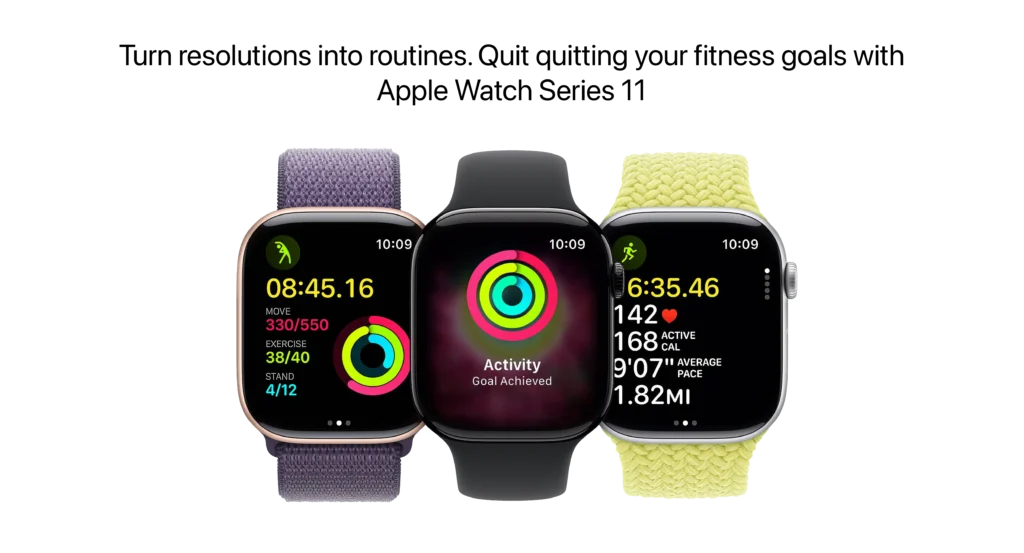
Why it matters: if you are using wearables for training consistency, sleep data only becomes useful when you actually wear the watch overnight. Battery that supports “day + night” changes behaviour.
Series 11 also leans into health and safety features. Apple’s own materials include detailed battery assumptions and usage patterns, which is helpful when you are comparing real life expectations versus marketing numbers.
Best for: iPhone users who want a premium experience, strong “everyday athlete” tracking, and safety features without going full rugged-outdoor watch.
Not ideal for: anyone who hates charging frequently and wants true multi-day battery without compromises.
External reference: Apple’s Series 11 tech specs.
2) Apple Watch Ultra 3: battery and ruggedness for endurance and outdoor training
Ultra 3 is the “go longer” Apple Watch. Apple states up to 42 hours of normal use and up to 72 hours in Low Power Mode, with a rugged titanium build aimed at demanding environments.
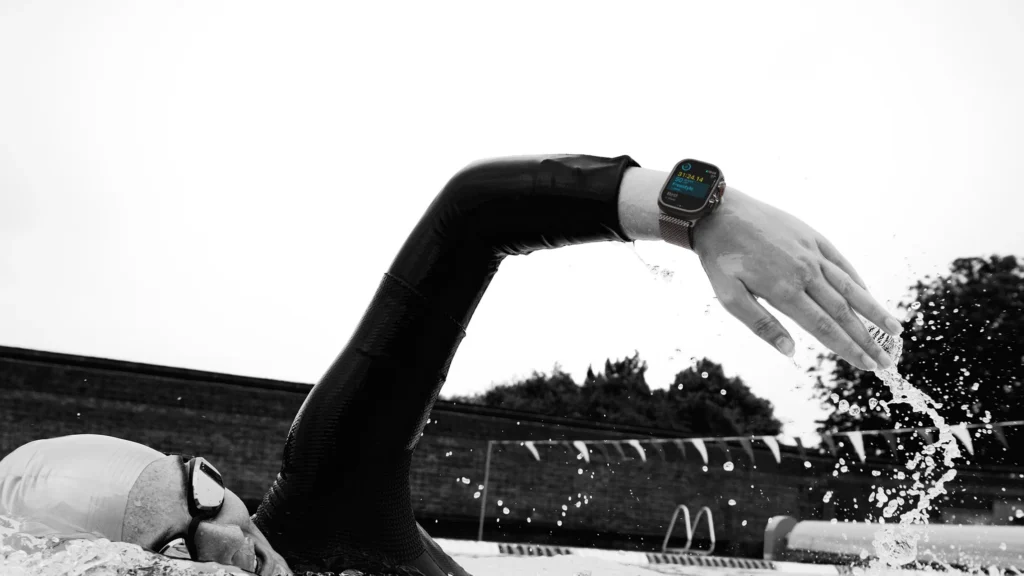
If you do long runs, long hikes, or full-day events, the Ultra line is where Apple’s wearables start to feel less like a phone accessory and more like an endurance tool. The practical win is less charging anxiety while keeping the Apple ecosystem convenience.
Best for: endurance athletes, hybrid racers, frequent outdoor training, people who want Apple’s ecosystem with better battery headroom.
Not ideal for: anyone who wants the lightest watch possible, or who can get everything they need from a cheaper model.
External reference: Apple’s Ultra 3 product page and newsroom overview.
If you train for hybrid events, pair your wearable data with session structure from the RB100 library, starting with our HYROX training hub: RB100 HYROX training articles
3) Garmin vívoactive 6: multi-day battery with training-first DNA
Garmin’s vívoactive 6 sits in a sweet spot for people who prioritise training metrics and battery life over smartwatch bells and whistles. Garmin states battery life up to 11 days, with an AMOLED display and the usual Garmin health and fitness ecosystem.
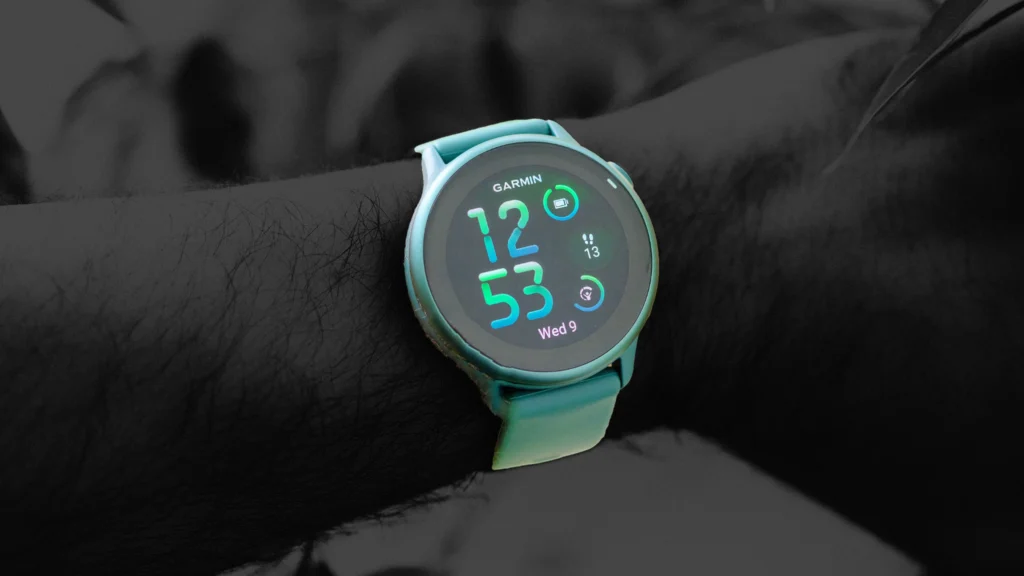
Independent testing tends to land lower than “best case” figures (as it does for every brand), but the point remains: this is a multi-day watch in a category where many devices are not.
One key callout: mainstream reviews note it lacks an altimeter, which can affect elevation tracking accuracy for hilly routes.
Best for: athletes who want multi-day battery, strong sport tracking, and a training platform that feels built for performance.
Not ideal for: anyone who wants LTE independence or the richest third-party smartwatch app ecosystem.
External reference: Garmin’s vívoactive 6 product listing.
4) Apple Watch SE 3: best value inside the Apple ecosystem
SE 3 is the “get the basics right” Apple Watch for people who want Apple integration without paying flagship prices. Apple states 18-hour battery life and highlights fast charging improvements.
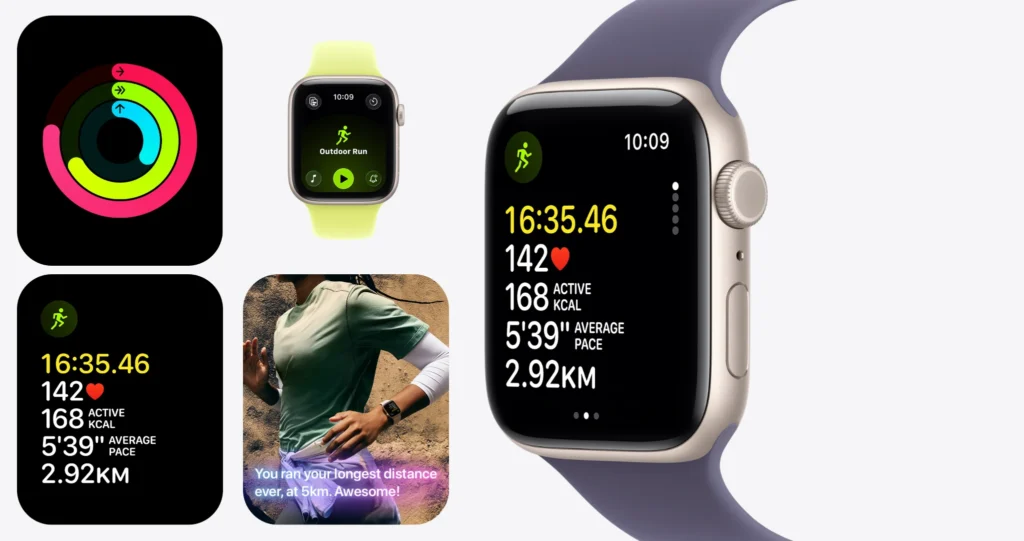
The trade-off is predictable: you lose some advanced sensors and premium features found in higher models, but you still get a strong daily activity and workout experience for most gym goers.
Best for: iPhone users who want value, casual-to-regular training, and a clean entry into Apple’s ecosystem.
Not ideal for: anyone who wants the most advanced health sensors or longer battery life.
External reference: Apple’s SE 3 page and newsroom announcement.
How to choose between them (quick decision rules)
- Choose Ultra 3 if you want Apple + the most battery headroom and rugged build.
- Choose Series 11 if you want the best mainstream Apple balance and you are happy charging roughly daily.
- Choose vívoactive 6 if you want multi-day battery and a training-first ecosystem.
- Choose SE 3 if price matters most but you still want Apple integration.
- If you want to use wearable data properly, start with a simple conditioning anchor session each week and track it consistently: RB100 cardio and conditioning articles
- If you are training for performance, not just “movement”, build your week around repeatable tests: RB100 sports performance articles
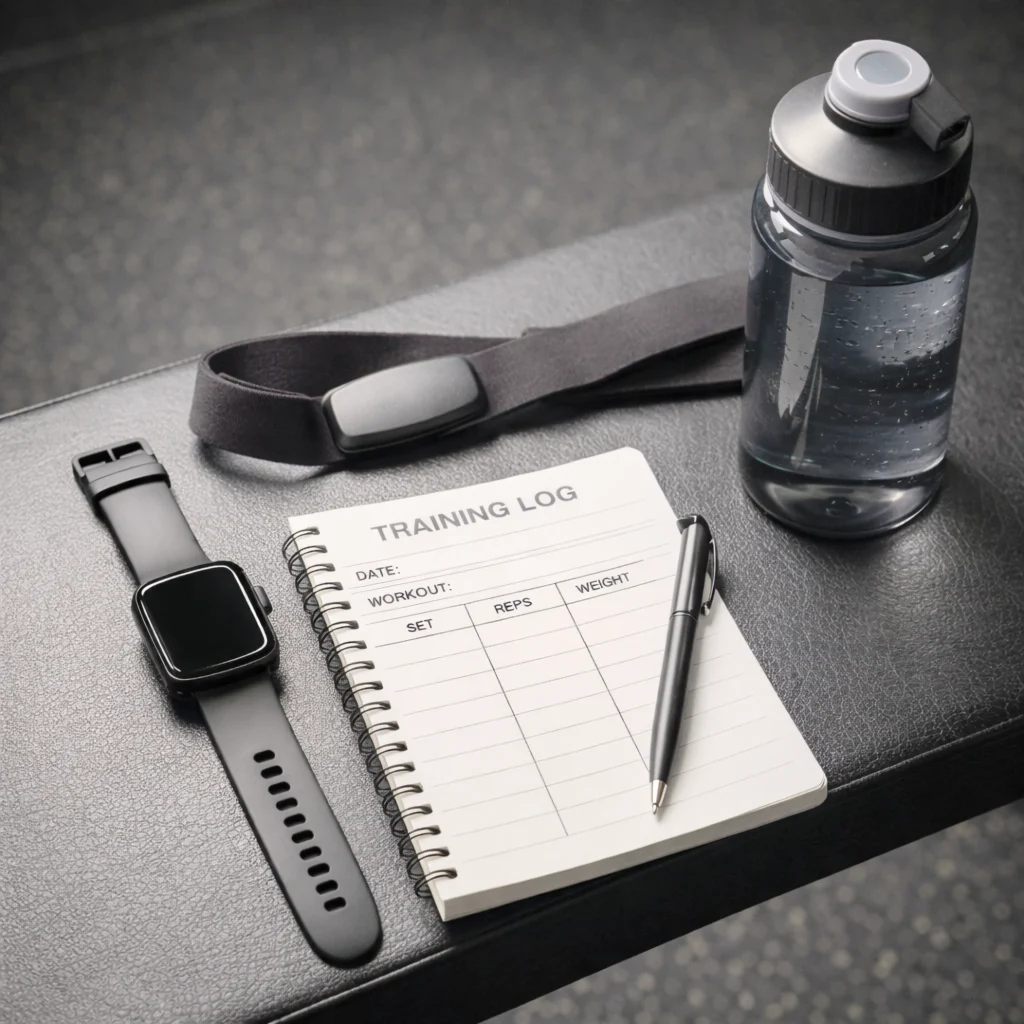
What’s next in the 2025 tracker review series
Next, we will cover mainstream bands, budget devices, and specialist wearables (rings and recovery-focused straps). That is where subscriptions, accuracy trade-offs, and battery extremes become even more important.