
Challenge · 2026
100-Second Prone Hold: Can You Stay Long?
Can you accumulate a 100-second prone hold without straining your neck or holding your breath? Today’s RB100 challenge uses ten short, face-down chest lifts to test back-muscle endurance. Keep your feet grounded, lift only slightly and rest between efforts. You need floor space, a timer and controlled breathing.
By Richard Branson ·
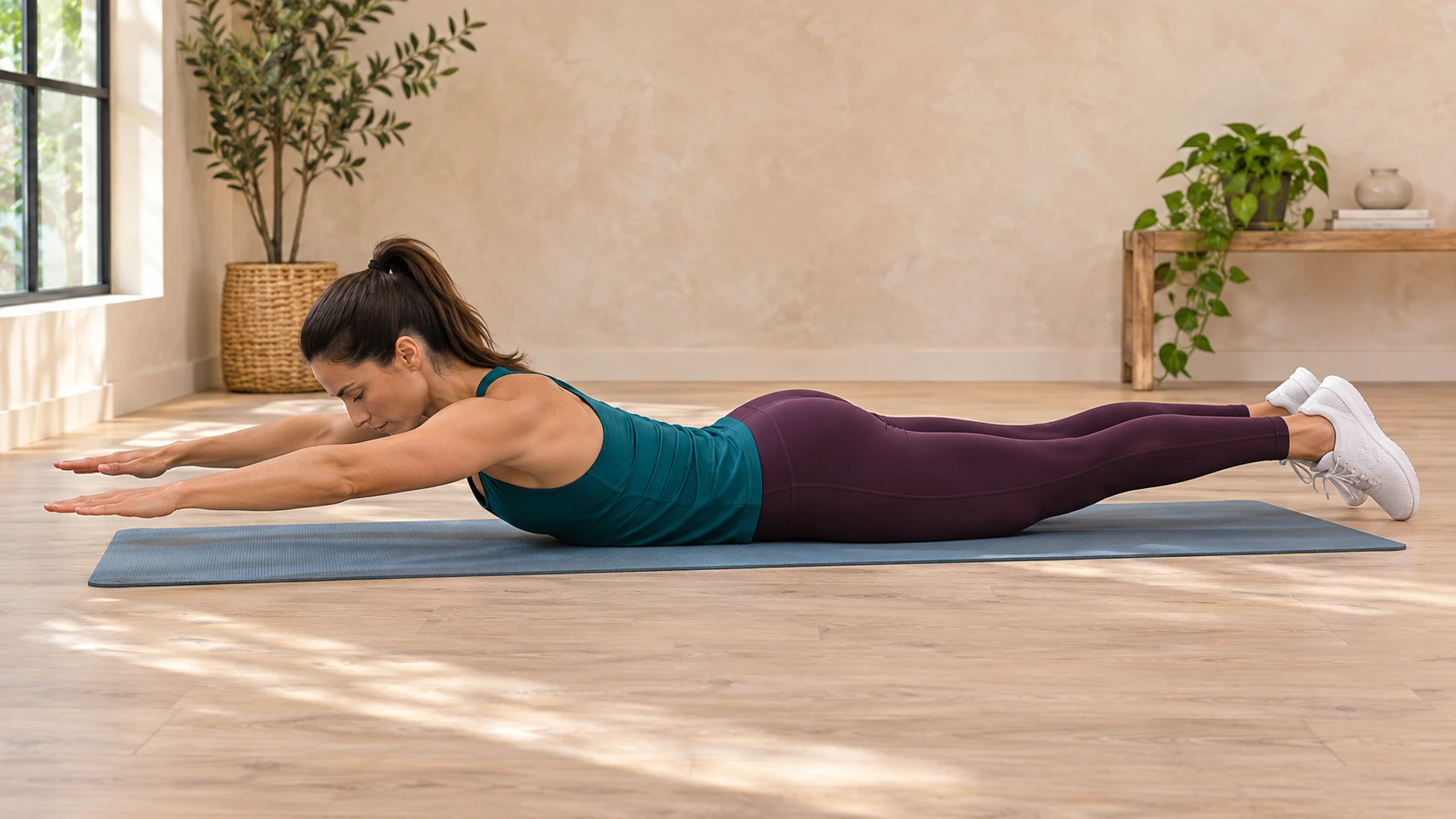
The challenge: what is the 100-second prone hold?
For 9 April 2026, accumulate 100 seconds holding a small chest lift while lying face down. The standard format is ten holds of ten seconds, resting for 15–30 seconds between efforts. Your legs stay grounded throughout. This is a controlled back-endurance test, not a competition to arch highest or finish fastest.

How to do it: what are the exact steps?
- Lie face down on a comfortable surface, legs roughly hip-width apart and arms resting beside your body. Keep the tops of your feet on the floor.
- Look towards the floor and lengthen through the crown of your head. Gently brace your abdomen without holding your breath.
- Practise three small chest lifts, lowering fully after each. These are preparation, not scored seconds. Continue only if the movement feels comfortable.
- Lift your upper chest slightly clear of the floor without pushing through your hands. Keep your pelvis, thighs and feet supported.
- Hold for ten seconds while taking small, regular breaths. Lower gently and rest for 15–30 seconds, or longer until ready.
- Repeat for ten scored holds to accumulate 100 seconds. End any hold as soon as your position or breathing changes, and count only the controlled seconds.
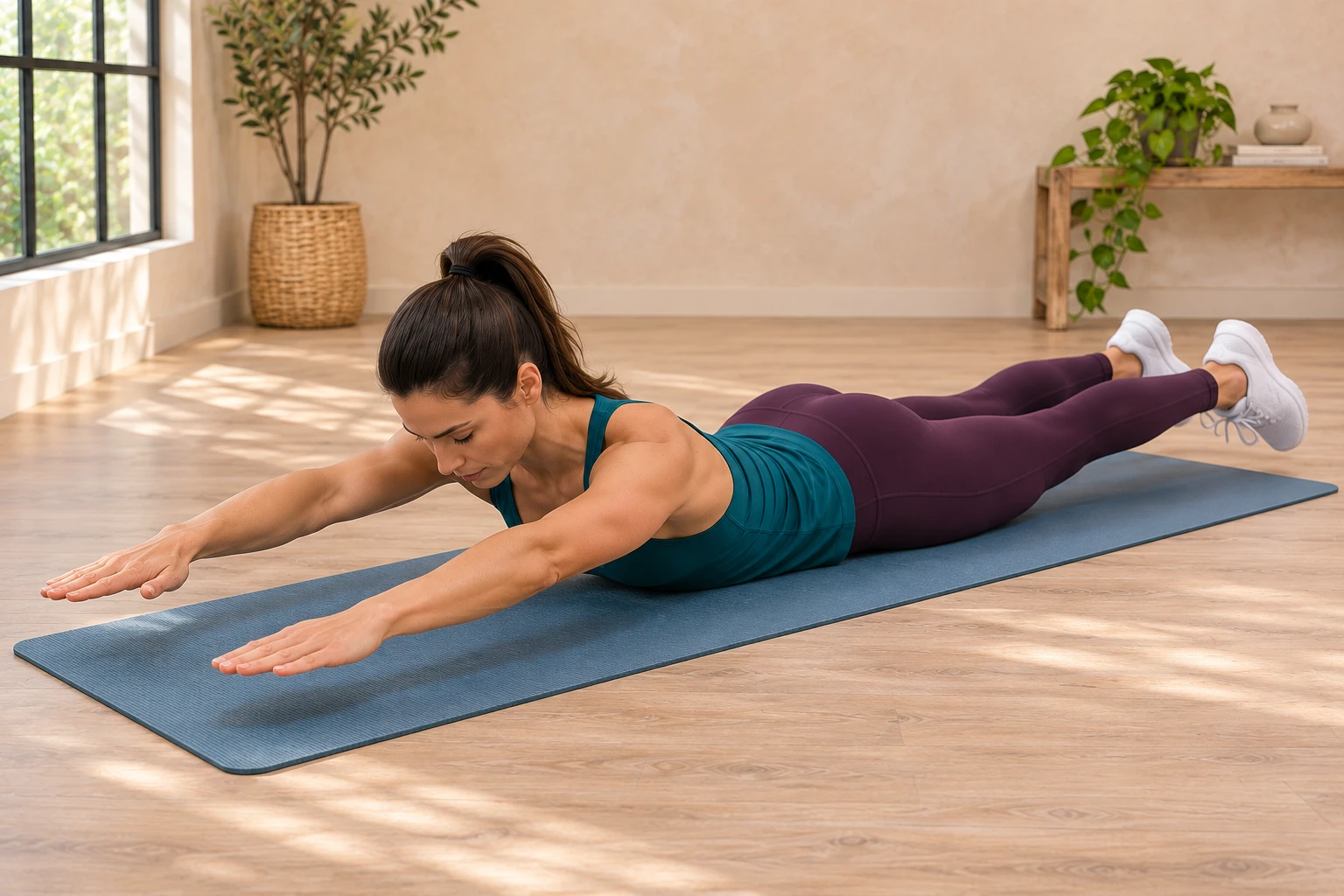
Scale it: how can you make the holds manageable?
Start with twenty five-second holds if ten seconds feels too demanding. Use a smaller chest lift and longer rests rather than forcing extra height. If you are comfortable with the standard version, try five twenty-second holds, keeping the same modest lift and grounded legs. Do not add weight. Stopping below 100 seconds is a valid result when control fades; record what you completed.
Coaching tips: what should you feel, and when should you stop?
Think ‘reach long, lift a little’. Keep your shoulders away from your ears and avoid tipping your chin forwards. Expect muscular effort through your back, not a pinching sensation in your lower back or neck. Stop for pain, tingling, numbness or dizziness, and end the set if you must hold your breath. If lying face down is uncomfortable, skip this test. These instructions are general training guidance; an existing spinal condition, recent injury or uncertainty about suitability needs clinician review before attempting the challenge.