
Challenge · 2026
100 Boxing Slips: Can You Stay Balanced?
Complete 100 boxing slips by moving your head just off an imaginary centre line, alternating left and right without throwing punches. Today’s RB100 challenge tests coordination and controlled weight transfer, not punching power. Work through five sets of 20, take short rests and use the seated option if needed.
By Richard Branson · · Updated
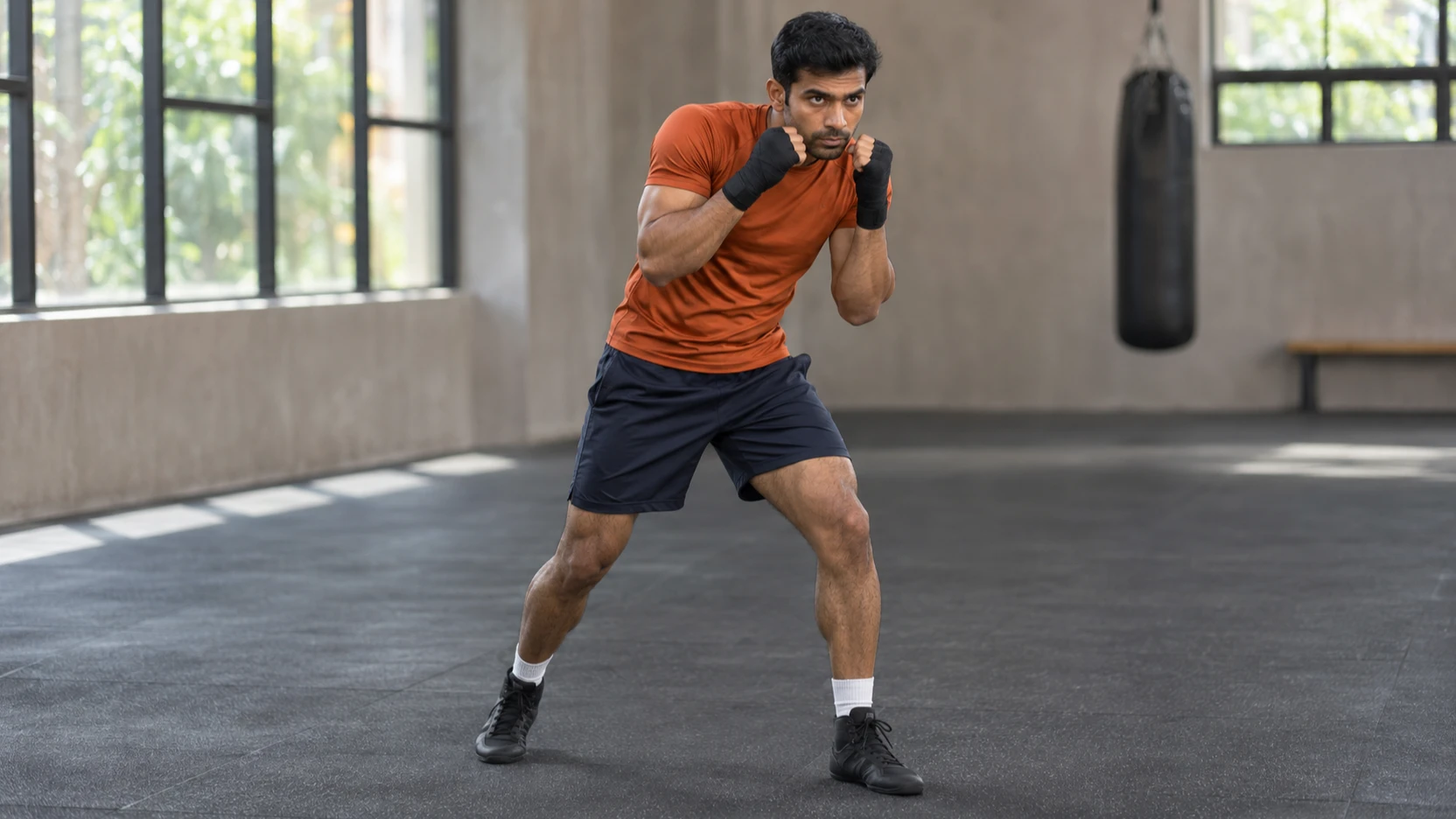
The challenge: can you complete 100 boxing slips?
For 30 April 2026, your RB100 daily challenge is five sets of 20 alternating boxing slips. Imagine a straight line extending forwards from your nose. Move your head a little to one side of that line, return to centre, then repeat on the other side. No punches, partner or bag are needed. The target is 100 tidy repetitions, not a frantic finish.

How to do it: what are the exact steps?
- Clear enough space to stand and shift comfortably. Spend about 30 seconds walking gently on the spot, then practise four small slips on each side. These practice repetitions do not count towards your total.
- Stand with feet roughly hip-width apart and one foot slightly behind the other. Keep your knees soft, hands loosely beside your cheeks and eyes looking forwards.
- Make a small knee bend and gently shift your upper body so your head moves a few centimetres left of centre. Keep your neck aligned with your trunk rather than tipping your head sideways.
- Return to your starting position. Count one repetition, then repeat to the right. Keep both feet grounded and your weight within your stance.
- Complete 20 alternating repetitions: 10 left and 10 right. Rest for 20–40 seconds, or longer if needed to regain comfortable breathing and control.
- Repeat for five sets in total. Finish after the fifth set with 100 repetitions completed; note your variation and any additional rests.
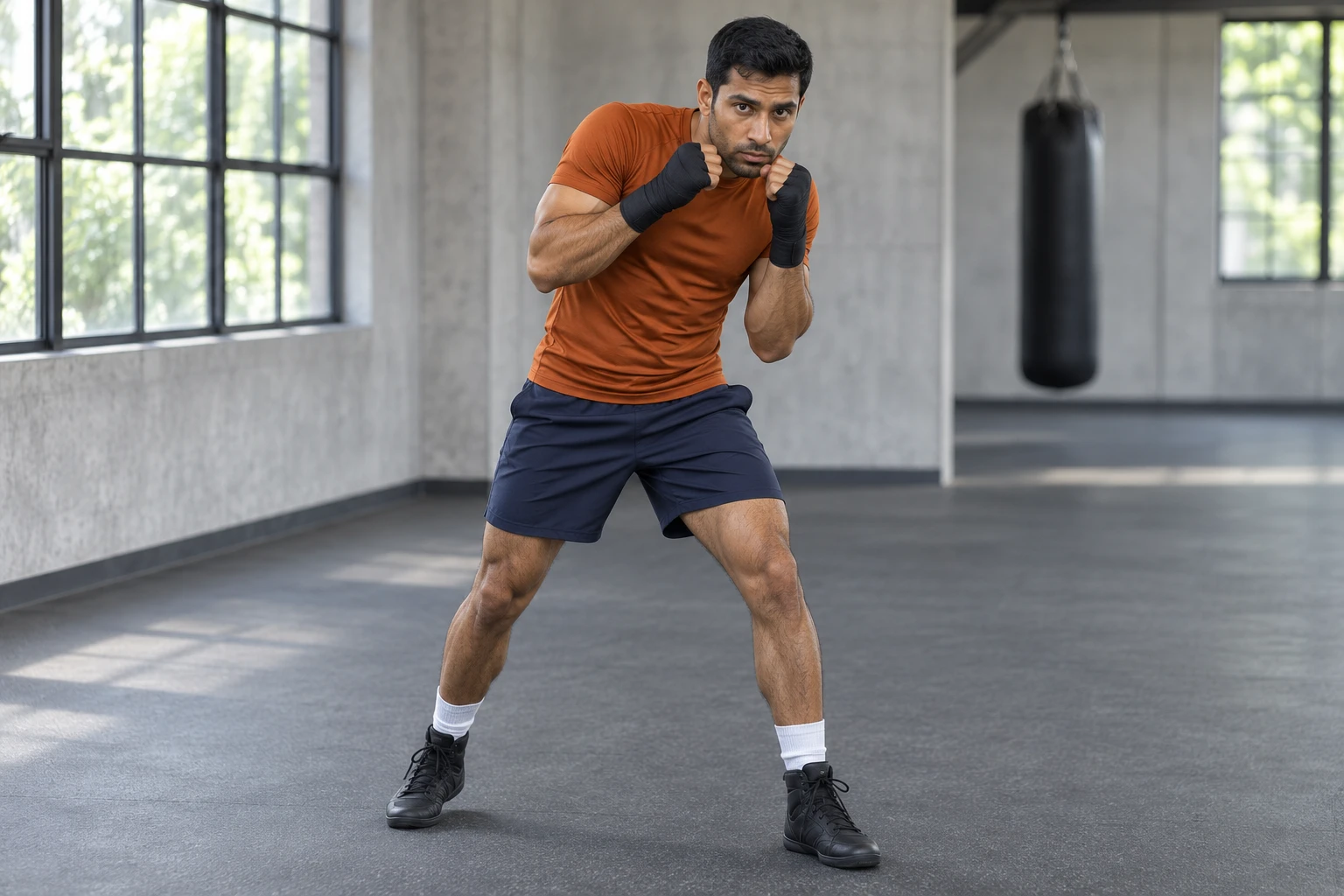
Scale it: how can you keep the movement manageable?
Make each slip smaller and reduce the knee bend if the standing version feels demanding. Split the total into 10 sets of 10 with rests as needed. For a seated version, use a firm chair without wheels, plant both feet and make small, controlled sideways trunk shifts before returning upright. Keep both sides of your pelvis supported. For more control work, pause briefly at centre between repetitions rather than adding speed or holding weights.
Coaching tips: how do you stay balanced and know when to stop?
Think small movement, quiet feet and relaxed shoulders. Keep your knees tracking with your toes; avoid twisting through a planted knee or folding deeply at the waist. Breathe normally rather than bracing and holding your breath. Pause the set if you start stumbling, shuffling or losing control. Stop the challenge if you experience pain, dizziness or unusual breathlessness. Do not push through symptoms to reach 100. If an existing medical condition affects your balance or movement, ask your clinician whether this challenge is appropriate before attempting it.