

Introduction: The Rise Of Science Based Training
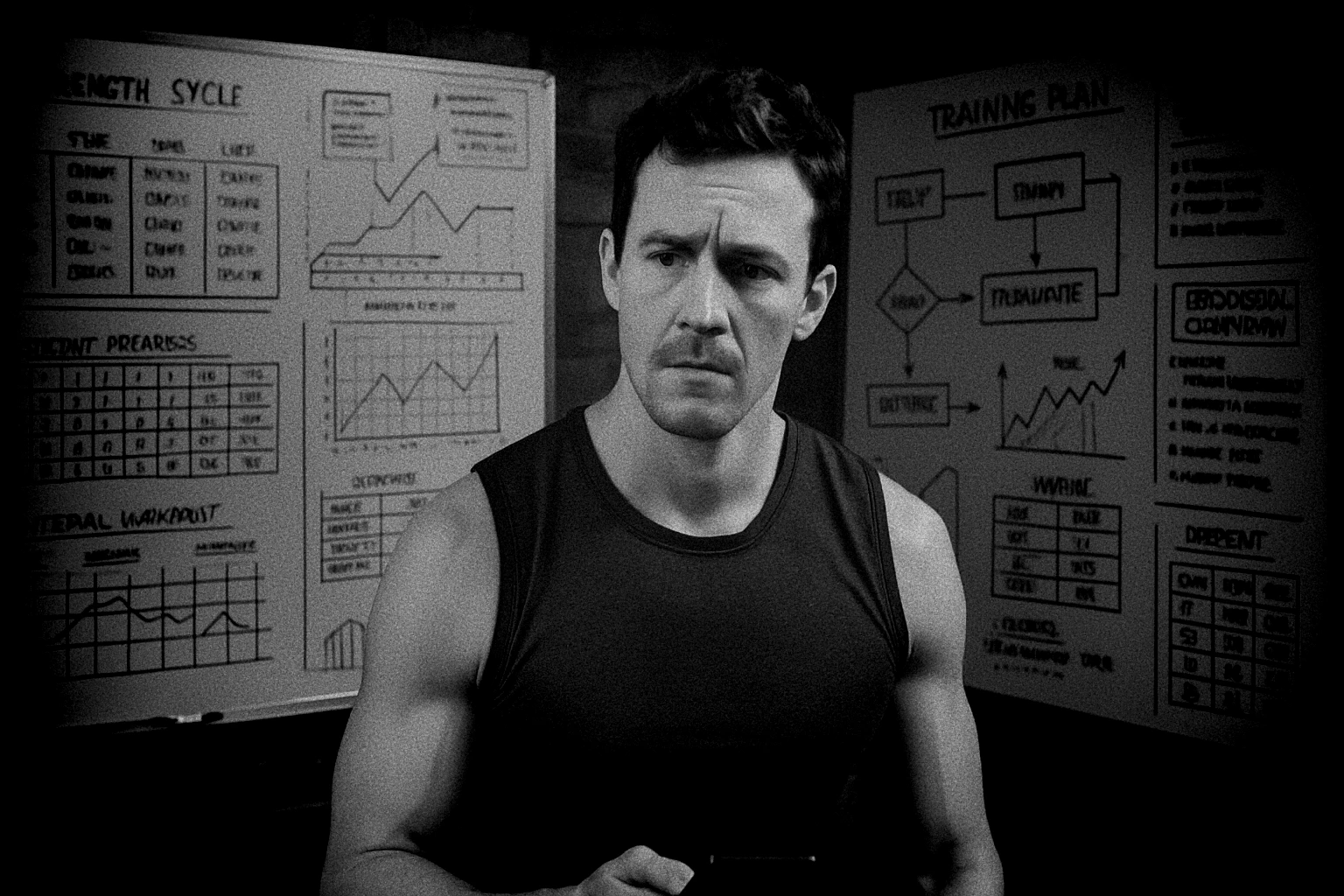
Science based training has taken over social media and the fitness world. Every week a new study circulates about optimal rep ranges, protein timing, biomechanics, fatigue modelling or hypertrophy pathways. For coaches, this is valuable. For the average gym goer, it often creates confusion rather than clarity.
As a personal trainer whose degree was in Sports Science working with people from beginners through to HYROX competitors, I see the same pattern. People know more science than ever, yet struggle to apply the basics consistently. It raises a simple question. Has science based training become too complicated for the average person who just wants to get fit, strong and healthy.
Why Science Messaging Is Confusing For Everyday Lifters
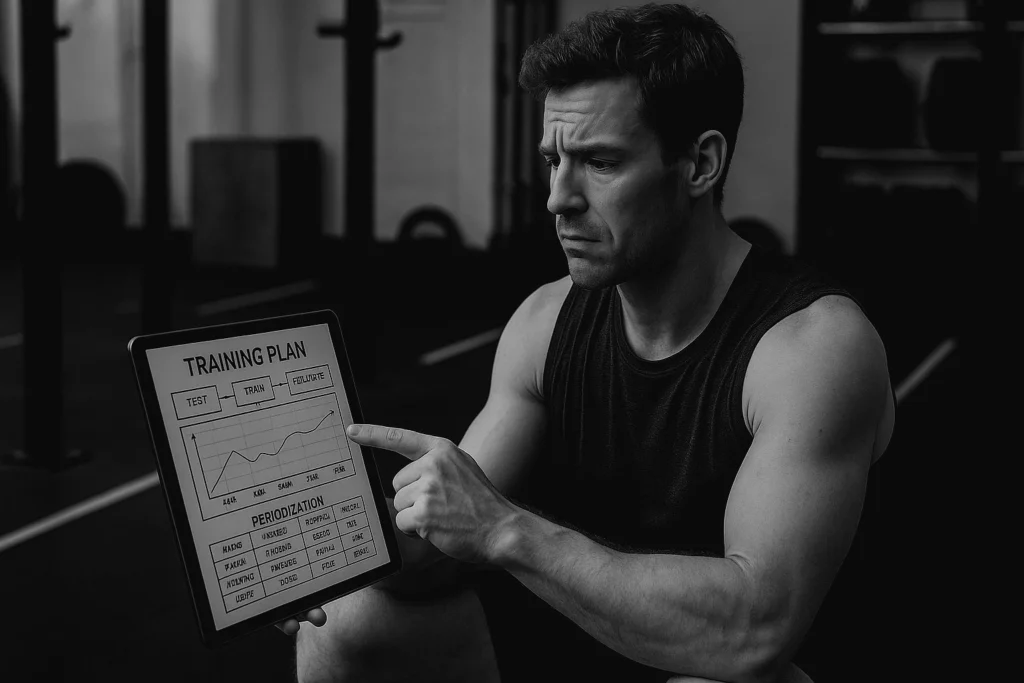
Science is essential for good coaching, but the way it is communicated online often overwhelms people. Studies are complex. Their findings are specific. Their limitations are important. But on social media, they are reduced to short, absolute statements that may not apply to the general population.
1. Over Emphasis On Optimisation
Many influencers present training as a system where every detail must be engineered for maximum efficiency. The problem is that optimisation does not matter unless consistency is already established. There is no point worrying about the optimal hypertrophy mechanism if someone trains twice a week with no structure.
2. Loss Of Context
Scientific studies are often performed on trained individuals, untrained individuals, specific age groups or controlled environments. Applying these findings directly to everyday training without context can mislead more than it helps.
For example, debating whether three degrees of elbow rotation changes tricep activation means nothing to someone who cannot yet complete consistent push ups.
3. Paralysis By Analysis
Many new lifters now hesitate to train because they are worried about performing an exercise incorrectly or not following the perfect protocol. This paralysis is harmful. People need confidence, not fear, especially at the beginning of their training journey.
What The Average Person Actually Needs To Know
For the majority of people, the foundations of effective training are simple. Strength, conditioning and mobility improve when you consistently perform basic movements, apply progressive overload and recover well.
Instead of obsessing over the latest study, most people benefit more from knowing:
1. Movement Patterns Matter More Than Micro Details
If you squat, hinge, push, pull, carry and run regularly, you will build a strong, capable body. These patterns are the basis of real world performance. For examples, visit our foundational exercise library at RB100.Fitness, including movements like the Dumbbell Deadlift and Kettlebell Front Squat.
2. Progressive Overload Beats Complexity
Gradually lifting more weight, performing more reps or increasing total work capacity will always be more important than finding the perfect tempo or rest period. Simple progression is far more powerful than perfect optimisation.
3. Consistency Outperforms Theory
People who train three to four times a week with simple structure outperform those who constantly change routines based on new scientific debates. The ability to show up beats everything else.
Where Science Based Training Is Valuable
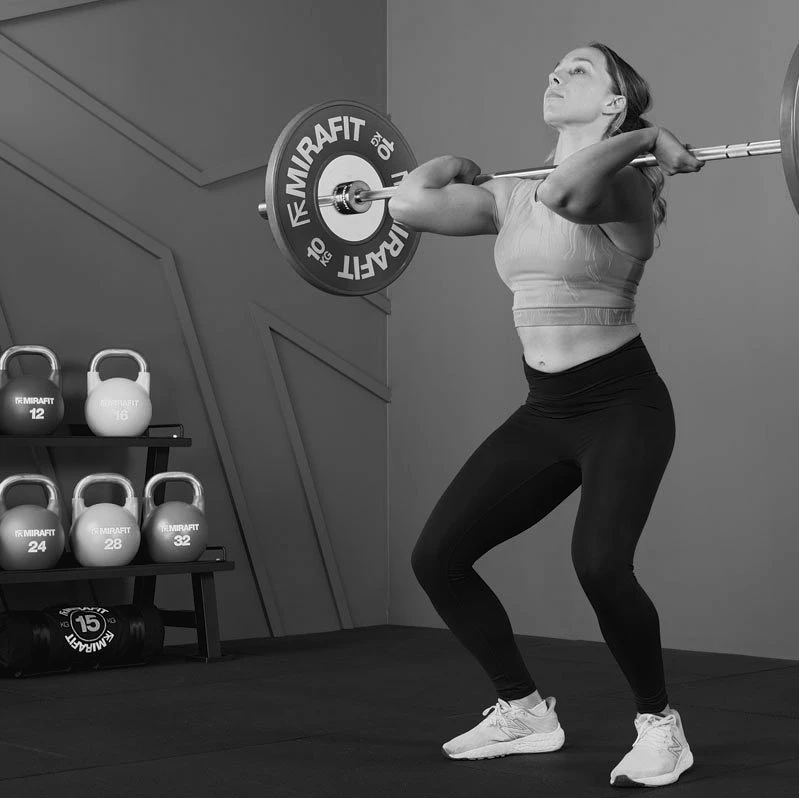
While science can confuse beginners, it is still essential for coaches and athletes who want to push performance further. Evidence based principles guide structured programming, load management, recovery protocols and injury prevention. They provide clarity for long term planning.
For example, your training improves when you understand:
- The role of progressive overload
- Why intensity and volume cannot increase indefinitely
- How periodisation phases improve adaptation
- Why aerobic conditioning supports strength and endurance
For a full breakdown, see our article on What Is Periodisation In Fitness.
Science is not the issue. Miscommunication of science is the issue.
The Bodybuilder Influence
Another common challenge is the influence of bodybuilding culture on everyday training. Bodybuilders train for symmetry and isolated muscle development. Their training volume is extremely high and tailored for hypertrophy. While their knowledge is valuable, their methods are not always appropriate for beginners or general population clients.
Why Joe Public Should Be Careful With Bodybuilding Workouts
- High volume training requires exceptional recovery and nutrition.
- Bodybuilding splits neglect functional patterns like carries and hinges.
- Most people need strength, mobility and conditioning, not isolated hypertrophy sessions.
- Bodybuilders train to look a certain way. Everyday athletes need to move, feel and perform better.
If your goal is functional performance or HYROX preparation, bodybuilding routines may not support the development of aerobic capacity, work rate and movement efficiency.
Better alternatives include sandbag carries, sled pushes, row intervals and zone based conditioning. Visit the HYROX training section on RB100.Fitness to explore methods that transfer directly into real world performance.
How To Simplify Your Training
Here is how to bring training back to what actually matters for 80 percent of people.
Focus On The Big Patterns
Strength comes from mastering the basics. Squat, hinge, push, pull and carry tools like dumbbells, kettlebells, barbells or sandbags.
Build Work Capacity
Conditioning is essential. Walking, rowing, running, cycling, SkiErg intervals and zone 2 work produce major improvements in fitness. Our article on zone 2 conditioning explains why this is often the biggest missing piece for beginners.
Add Progressive Overload
Increase your training load gradually. This is more important than any debate about biomechanics or activation studies.
Recover Properly
Sleep, nutrition and daily movement drive long term adaptation. High stress lifestyles need recovery built into training plans.
Keep It Sustainable
Programmes that are too intense, too complicated or too time consuming rarely last. Choose training that fits your life and can be maintained over years.

Why Coaches Are Still Needed
Science provides principles. Coaches provide application. A good coach translates complex information into practical steps that are appropriate for an individual’s goals, lifestyle, fitness level and injury history.
This is why coaching remains essential in a world flooded with scientific content. The information is abundant, but the ability to apply it correctly is rare.
If you want tailored guidance, visit our training philosophy at personaltrainerstunbridgewells.co.uk or explore functional strength and conditioning resources across RB100.Fitness.
Conclusion
Science based fitness is not the enemy. It is one of the most powerful tools we have for improving health and performance. The real challenge is how science is communicated online. Complex studies are reduced to absolute statements. Bodybuilding routines are recommended to beginners. Nuance is lost.
Most people need simple, sustainable training built on consistent strength work, conditioning and lifestyle movement. When science supports these foundations instead of overwhelming them, it becomes a force for progress rather than confusion.