
Articles
Strong in the Gym, Capable for Life: The Case for Hybrid Bodybuilding
Building muscle and moving well can belong in the same training plan. Eugene Teo’s six-part framework shows how to give strength, power, mobility and endurance room to develop.
By Richard Branson ·
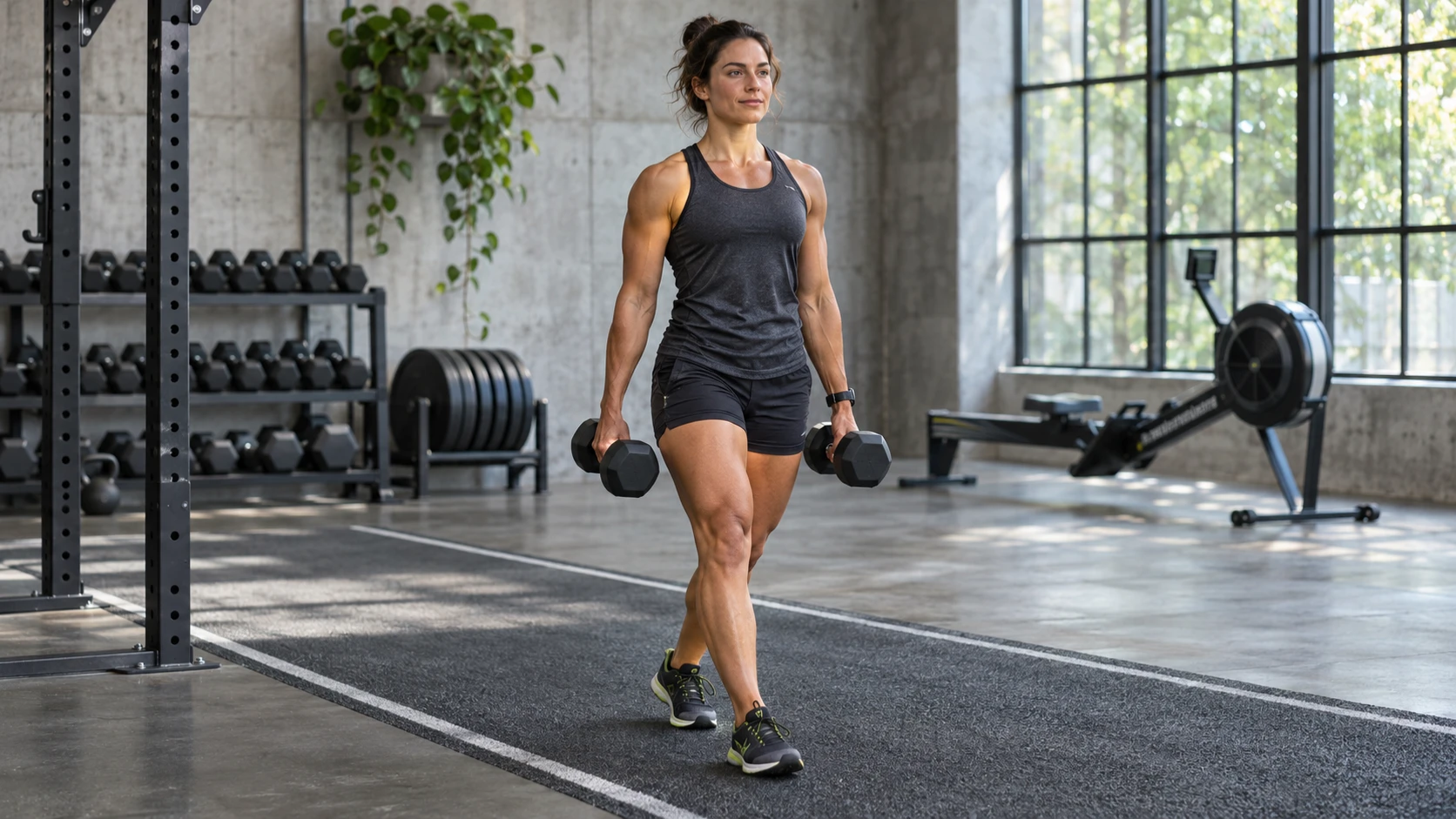
A bigger squat and a stronger bench press are clear signs of progress. But how well do those improvements carry over when you need to run, jump, change direction or sustain an effort?
That is the question Eugene Teo explores in his video on hybrid bodybuilding. Starting with a clip of two muscular lifters displaying very different running styles, he makes a useful observation: looking strong does not tell you everything about someone’s physical capabilities.
A short video cannot explain an individual athlete’s movement, training history or limitations. The broader training question, however, is worth asking.
If you want strength that supports an active life or the mixed demands of hybrid racing what else needs a place in your programme?

Why strength alone does not cover every goal
Strength training provides a valuable foundation. It builds the capacity to produce force, while bodybuilding work develops muscle through targeted resistance exercise.
Neither automatically gives you every other quality you might want.
Running has its own demands. So do jumping, throwing, rotating and maintaining a steady effort. Getting better at these activities requires some practice of the activities themselves, or closely related movements.
Teo describes the difference between a lifter’s developing strength and their less-developed physical qualities as a “development gap”. It is a useful coaching description, rather than a diagnosis.
The issue is not that muscle inevitably makes you slow or stiff. It is that a programme focused almost entirely on lifting heavier weights leaves less time for other abilities.
For an athlete whose sole priority is maximal strength, that specialisation may be entirely appropriate. For someone who wants to lift, run, compete and move confidently, a broader approach makes sense.
What is hybrid bodybuilding?
In Teo’s framework, hybrid bodybuilding keeps strength and muscle development central while adding deliberate work for power, mobility and cardiovascular fitness.
He organises training into six components:
- Plyometrics
- Power
- Strength
- Hypertrophy
- Mobility
- Cardio
These are useful programming categories, although they overlap. A jump can train both plyometric ability and power, while a controlled strength exercise can also challenge mobility.
The framework gives each quality a place. It does not require six demanding blocks in every session.
1. Plyometrics: practise spring and landing
Teo starts with movements such as pogos, skips and hops. These involve quick transitions between absorbing force and pushing away from the ground.
Their role is different from a grinding set of squats. The emphasis is on rhythm, responsive contacts and controlled landings.
The video suggests allowing around five to ten minutes for this section. The appropriate starting point depends on your experience: small, low-intensity contacts and maximal jumps impose very different demands.
Keep the volume manageable and finish while your movement remains controlled. Turning a few jumps into an exhausting circuit changes the purpose of the exercise.
2. Power: produce force quickly
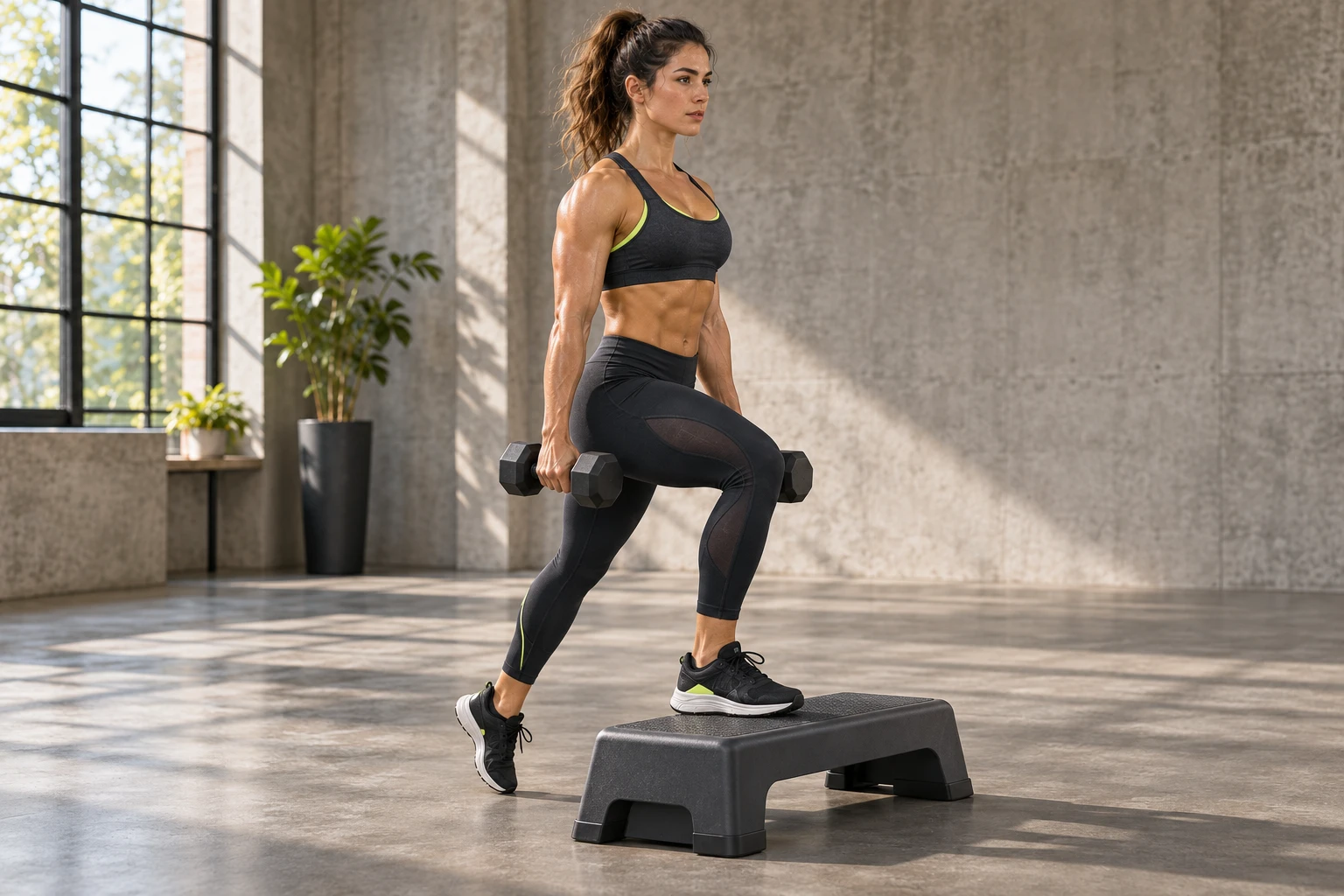
Strength concerns how much force you can produce. Power also involves how quickly you can perform work.
Teo’s second block focuses on explosive intent. He discusses Olympic lifts alongside options using dumbbells, kettlebells, jumps and throws.
The practical lesson is to choose a movement you can perform confidently and repeat with speed. Technical lifts require the skill to execute them well; they are not a prerequisite for including power training.
Unlike a hard bodybuilding set, the aim is not to reach muscular failure. Take sufficient recovery between efforts, and end the set when speed or technique clearly deteriorates.
For hybrid athletes, this also means recognising the difference between explosive training and conditioning. A movement can look fast while fatigue progressively reduces its power.
3. Strength: keep the foundations
Hybrid training still needs purposeful resistance work.
Teo recommends familiar compound movements: squats, presses, rows, deadlifts and pull-ups. In the video, he suggests roughly three to six repetitions for one to three working sets as one way to structure this section.
Those numbers describe his template, rather than a universal prescription. Exercise selection, loading and volume should reflect your experience and the rest of your training week.
The key is to retain a clear progression. If running and conditioning expand until your strength work becomes an afterthought, the programme may no longer support your original goals.
4. Hypertrophy: use accessories with purpose
The muscle-building section fills gaps left by the main lifts.
That might mean additional work for a muscle group you want to develop, a movement that receives little attention elsewhere, or an exercise you find particularly effective and comfortable.
Teo suggests selecting one or two exercises rather than adding a long list of accessories.
This is a useful constraint for busy athletes. Every extra set uses time and contributes fatigue. Choose work that earns its place alongside your lifting, running and recovery needs.
5. Mobility: give rotation some attention
Teo highlights rotation as a movement often missing from conventional gym routines.
Many familiar lifts emphasise moving forwards and backwards or maintaining a stable position. His approach includes some deliberate work outside those patterns.
He uses windmills as one example, alongside positions such as long-lunge and horse-stance holds.
The principle is more useful than any single exercise: identify a movement you want to improve, select a manageable drill and practise it consistently. A windmill is an option, not a compulsory test of mobility.
Choose a range you can control, and progress gradually rather than forcing a deeper position or
6. Cardio: plan beyond the finisher
The final component is cardiovascular training, either after lifting or in a separate session.
Teo describes his own mix of short intervals, outdoor acceleration work and a longer weekly run. These illustrate how he organises his training; they are not a starting programme for every viewer.
For RB100 readers, the useful question is what your cardio needs to prepare you for.
A HYROX athlete needs to develop running alongside station work. Someone returning to regular exercise may first need a sustainable routine of walking, cycling or short runs. A strength-focused athlete may have different priorities again.
Choose the amount and intensity around your current capacity and goals. Adding intervals, sprints and a long run simultaneously can make a manageable lifting programme much harder to recover from.
Make the framework fit your week
One detail deserves attention: the video’s suggested block lengths can add up.
Five to ten minutes of plyometrics, ten to fifteen minutes of power work and thirty to forty minutes of lifting already total forty-five to sixty-five minutes, before additional mobility or cardio.
Treat those timings as flexible guides. Shorter sessions require choices.
You could include a brief power exercise before lifting, rotate mobility priorities between sessions and place longer aerobic work on another day. You may also need to reduce existing accessory volume to make room.
A practical first step is to review your week:
- Which physical qualities are already receiving consistent attention?
- Which matter to your goals but receive little practice?
- What could you reduce to make room for them?
Choose one gap first. Build a repeatable dose, assess how you respond and adjust before adding more.
Build the abilities you want to use
Teo’s strongest message is that strength and muscle development can sit within a broader training approach.
For hybrid athletes, that means keeping purposeful lifting while making time for the running, power, movement and endurance their goals require.
The aim is a programme you can repeat, recover from and progress—one that develops the abilities you want to use both inside and outside the gym.
Source: Adapted from the video Eugene Teo’s video on hybrid bodybuilding. The six-part framework and examples of his training are attributed to the video; the programming discussion is RB100 editorial interpretation.