
Articles
Tendon Health for Hybrid Athletes: Build Capacity, Manage Load and Keep Training
Muscles get most of the attention, but tendons help turn strength into movement. Understanding how to load them and when to adjust your training can help you manage recurring aches more effectively.
By Richard Branson ·
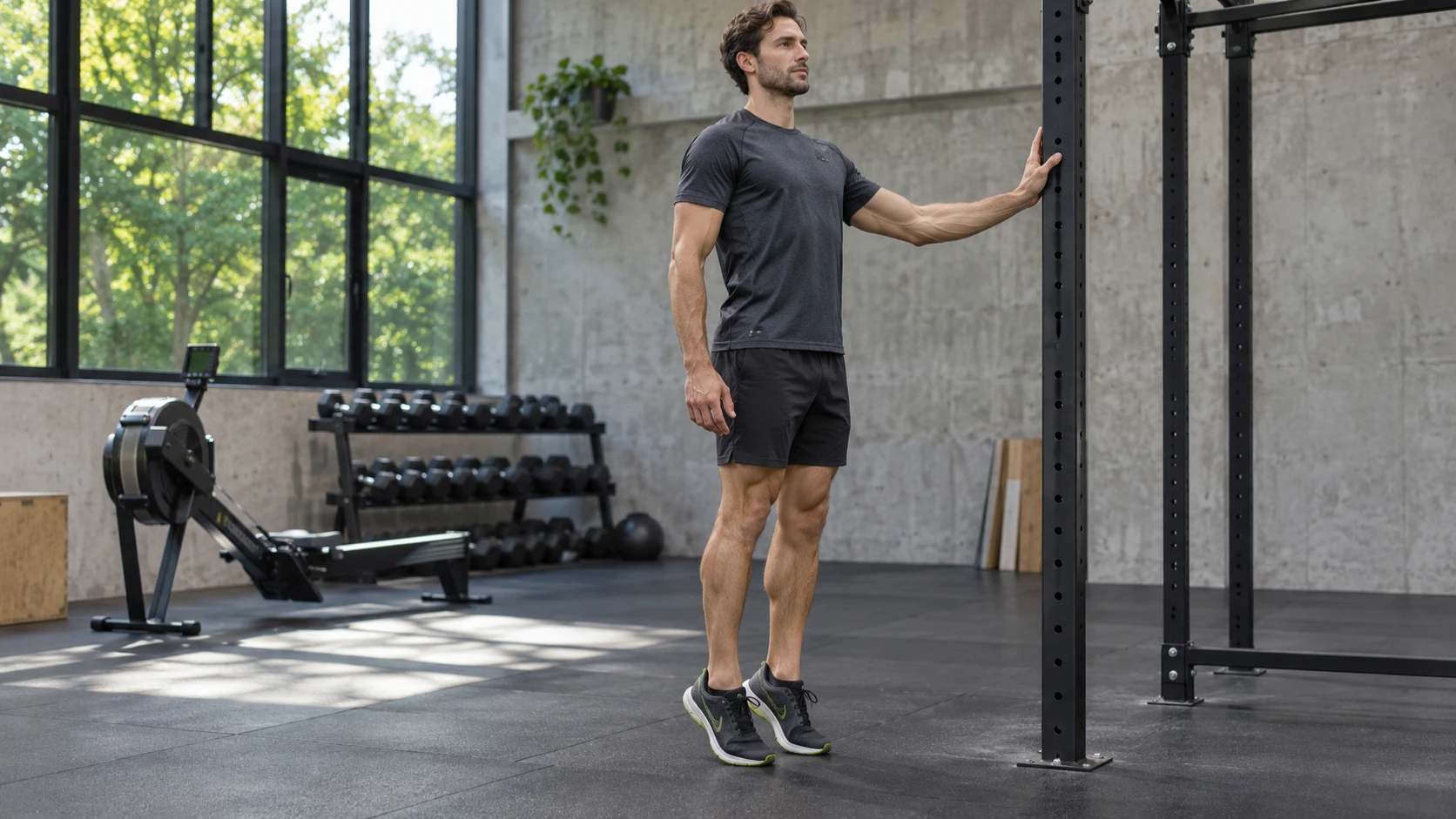
An elbow that complains during pull-ups. A knee that feels uncomfortable on the stairs after a hard session. An Achilles tendon that feels stiff with your first steps in the morning.
For athletes combining strength training, running and conditioning, these symptoms can interrupt an otherwise productive training block.

The video Your Tendons Will Never Heal (Unless You Do This) explores tendon loading, training mistakes and isometric exercises. Its most useful message is that managing tendon problems usually involves thinking about the demands placed on the tissue.

Some of its stronger claims need qualification, however. Joint pain does not automatically mean tendon damage, static holds do not guarantee immediate relief, and recovery cannot be promised within 30 days.
Here is how to apply the useful principles to hybrid training.

What do tendons actually do?
Tendons connect muscles to bones, transmitting the force that produces movement. Some also play an important spring-like role, storing and releasing energy during activities such as running and jumping.
That makes them relevant across almost everything a hybrid athlete does: lifting, accelerating, landing, pushing and pulling.
The Achilles tendon, for example, connects the calf muscles to the heel bone and contributes whenever you push off the ground. Achilles tendinopathy can develop when the demands placed on the tendon exceed what it can currently tolerate, although training is only one of several contributing factors. Berkshire Healthcare NHS guidance
A useful training question is therefore: what have you recently asked your body to do, and how prepared was it for that demand?
Aching and clicking are clues, not a diagnosis
The video opens by linking recurring joint aches and clicking to tendon problems. That is too definite.
Pain around a joint can have several causes. Clicking alone cannot identify the tissue involved or establish whether it is damaged. Tendon problems may involve pain, stiffness, swelling or difficulty moving, but assessment considers the wider pattern of symptoms.
If discomfort persists, worsens or repeatedly returns, seek an assessment rather than choosing rehabilitation exercises solely from the location of the pain. The NHS recommends seeing a GP when symptoms after a joint injury fail to improve within a few weeks. NHS tendonitis guidance
Training mistake one: increasing demands too quickly
The video’s strongest practical point concerns sudden changes in training.
For hybrid athletes, the increase may be spread across several activities. Your gym programme might remain unchanged while you add hill running, extra wall balls and a weekly conditioning class.
Each addition contributes to the overall demand.
Consider the athlete who returns from a break and immediately resumes their previous running mileage, lifting loads and race simulations. Familiar sessions can still represent a substantial increase compared with what they have done recently.
Sudden changes in activity are recognised contributors to Achilles tendon problems. United Lincolnshire Hospitals guidance
The transcript suggests a percentage-based limit on increases. Treat that as a coaching suggestion, rather than a universal safety threshold. No single percentage can account for every exercise, training history or combination of sessions.
A more useful approach is to:
- Compare your plan with what you have actually completed recently.
- Avoid increasing distance, intensity and frequency together.
- Account for running, lifting and conditioning within the same week.
- Review symptoms and recovery before progressing again.
Progression should reflect your response, rather than simply following the calendar.
Training mistake two: adding speed before you can tolerate it
The transcript also warns against momentum and bouncing through repetitions.
For controlled resistance training, using a manageable load and deliberate technique can help you avoid turning a planned lift into an uncontrolled effort.
But speed itself is not inherently harmful. Running, jumping and many sports depend on rapid force production. Rehabilitation may eventually need to prepare an athlete for precisely those demands.
The distinction is between a demand you have prepared for and one introduced too abruptly.
Clinical guidance describes tendon rehabilitation as a progression of loading, tailored to symptoms and the activity someone needs to regain. That progression can extend beyond basic strengthening towards the demands of sport. American Academy of Physical Medicine and Rehabilitation
For a hybrid athlete, comfortable slow repetitions are useful progress. Returning to repeated running contacts or fast race movements may require further preparation.
Does resting a tendon make it worse?
“Rest does not work” is an eye-catching message, but it needs context.
Reducing an aggravating activity can help settle symptoms. Complete, prolonged avoidance of loading is a different approach from temporarily modifying training and then rebuilding capacity.
For many persistent tendon problems, management combines an initial reduction in provocative loading with progressive exercise. The appropriate balance depends on the diagnosis, severity and stage of the problem. AAPM&R rehabilitation guidance
In practice, this may mean changing the amount or type of training you do while retaining activities you can tolerate.
That principle does not apply indiscriminately to a new injury. A suspected tendon rupture needs urgent assessment, not an attempt to load through it.
Where isometric exercises fit
An isometric exercise involves producing muscular force while holding a position, rather than moving through repetitions.
The video demonstrates examples such as holding a curl position, maintaining a pressing position and holding against a knee-extension resistance.
These can offer a way to introduce or maintain loading within rehabilitation. Their suitability depends on which tendon is affected, the position used, the resistance and the individual’s response.
The transcript proposes three holds of at least 30 seconds, initially performed twice daily. That is the video’s suggested protocol; it should not be presented as a prescription for every painful shoulder, elbow or knee.
Nor should immediate pain relief be expected. In a clinical trial involving people with chronic midportion Achilles tendinopathy, isometric exercise did not produce significant immediate pain relief. Clinical trial published in the Scandinavian Journal of Medicine & Science in Sports
An exercise can still have a role without making pain disappear during that session.
Monitor the response beyond the workout
A session that feels manageable at the time can still leave symptoms more irritable afterwards.
For Achilles tendinopathy, NHS guidance specifically advises that pain should not be worse the following morning. That makes next-day symptoms useful information when reviewing your current training dose. Wrightington, Wigan and Leigh NHS guidance
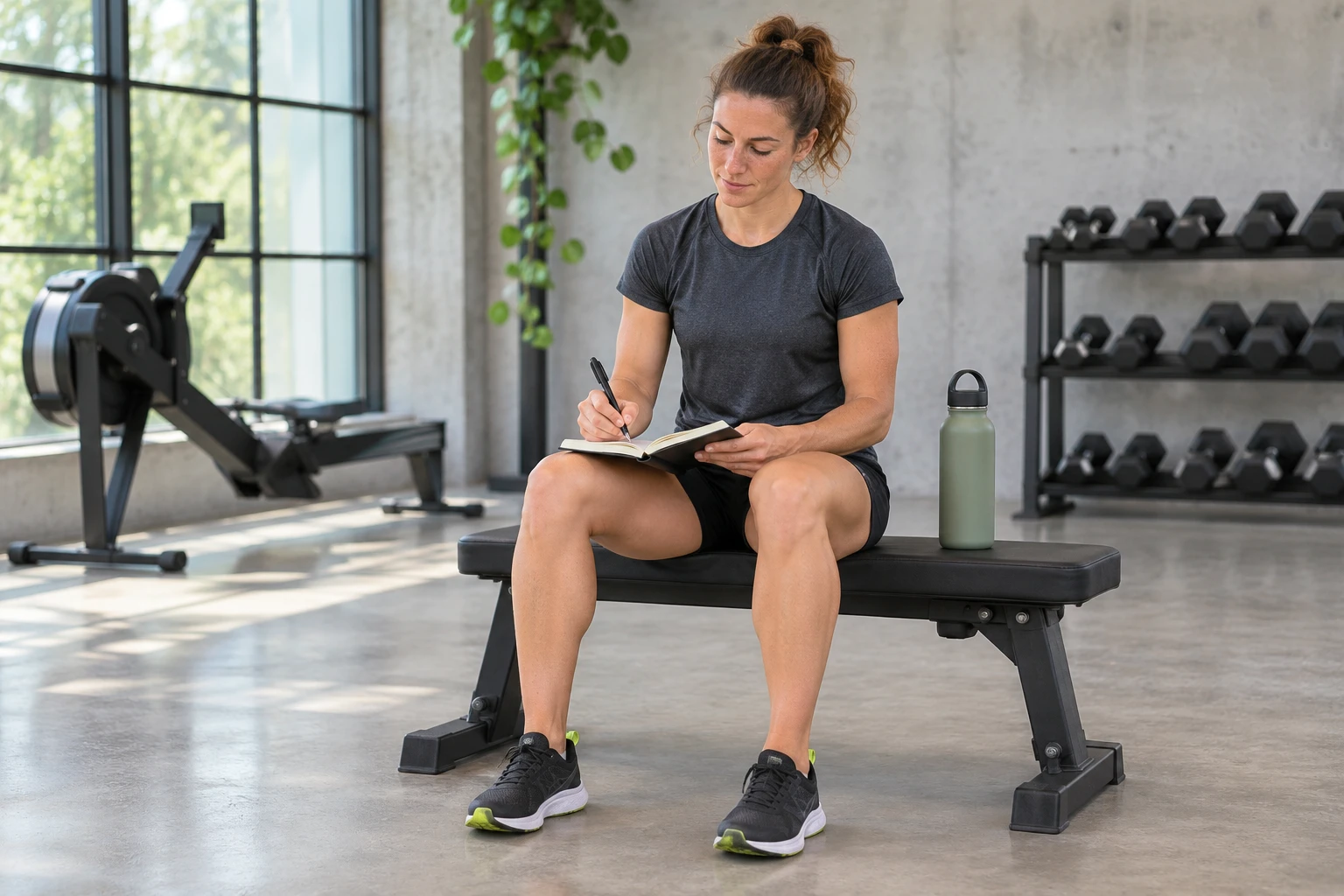
A brief record can help you spot patterns:
- What activity did you complete?
- How did symptoms respond during and afterwards?
- How did the area feel the next morning?
- Are ordinary activities becoming easier or harder?
The transcript allows discomfort up to a particular pain score. Such thresholds need context: a number alone cannot establish whether an exercise is appropriate, particularly when the cause of pain is unknown.
Recovery is measured in capacity as well as comfort
The video promises stronger tendons in as little as 30 days. Some people may notice symptoms improving within weeks, but that does not establish complete recovery or readiness for unrestricted sport.
For Achilles tendinopathy, rehabilitation commonly takes months. United Lincolnshire Hospitals advises that returning to full activities without pain may take six to nine months. That is a condition-specific estimate, rather than a timeline for every tendon problem. NHS rehabilitation guidance
For a hybrid athlete, meaningful progress might include tolerating more running, lifting consistently and recovering well between sessions. A comfortable day is encouraging; repeatedly handling the demands of training is a broader goal.
When to get help
Arrange an assessment if symptoms keep returning, are worsening or remain limiting despite changes to training.
Seek urgent advice through NHS 111 if you suspect a rupture or have substantial pain. Sudden severe pain accompanied by a pop or snap can indicate a torn tendon. NHS tendonitis guidance
Build a week your body can recover from
Review the combined demands of your programme before adding more exercises to it. A sensible gym session can become excessive when layered onto a sudden increase in running and conditioning.
Give new demands time to become familiar, adapt training when symptoms change and use an individual rehabilitation plan when pain persists.
For hybrid athletes, tendon care belongs in the same conversation as strength, endurance and recovery: it helps determine how consistently you can put those qualities to use.
Adapted from the video, Your Tendons Will Never Heal (Unless You Do This), with additional clinical sources and RB100 editorial interpretation. This article provides general education, rather than an individual diagnosis or rehabilitation prescription.