
Articles
Danel Louw: Building Beyond Running for HYROX
Danel Louw has turned an unfinished running ambition into an Elite 15 HYROX career. In a Rox Lyfe interview, the South African explains how strength work, longer running intervals and repeated burpee practice have shaped her progress, while easier training days help her balance sport with work.
By Relentless Bravery ·
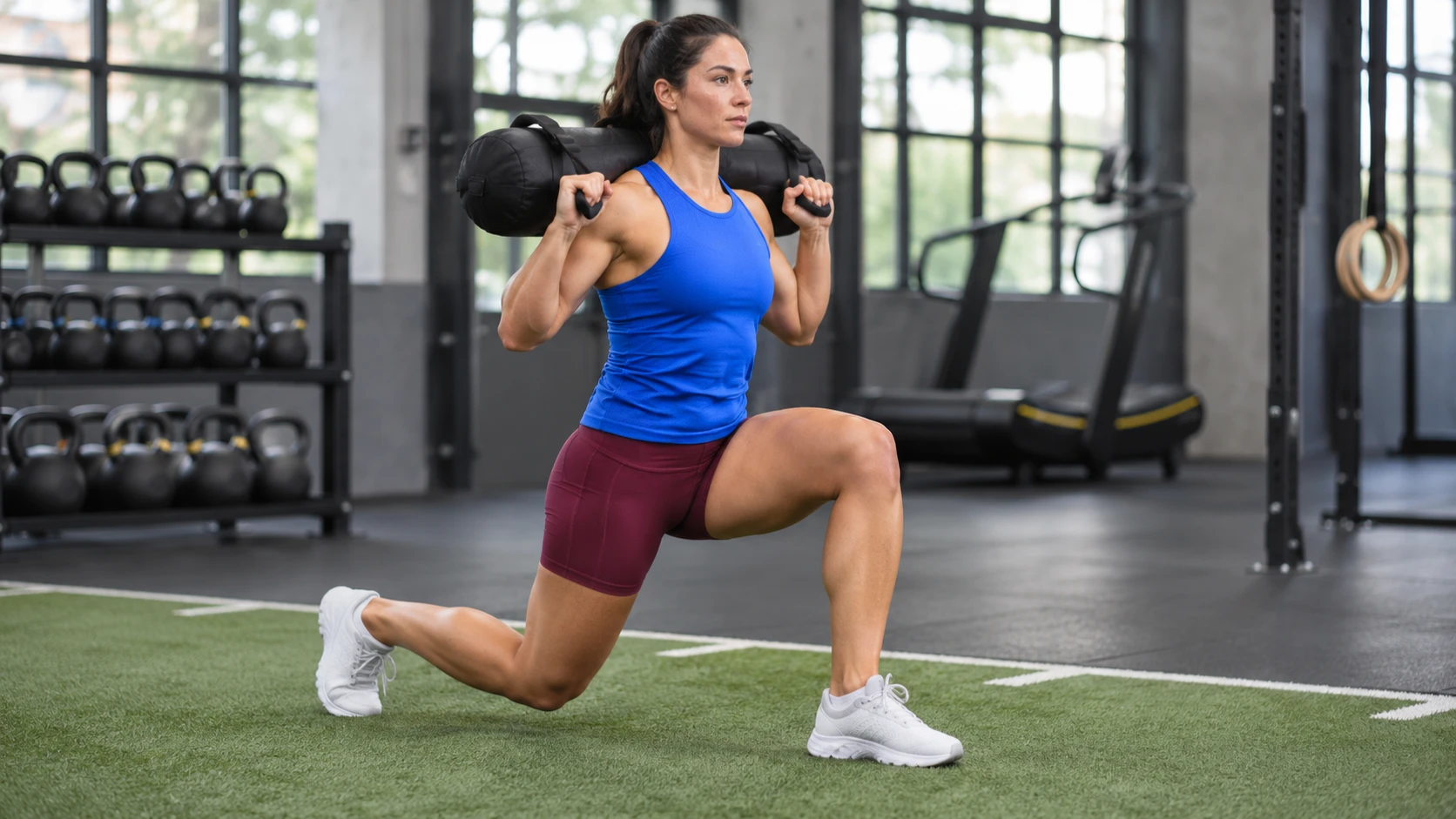
Danel Louw’s route to the HYROX Elite 15 has involved more than transferring speed from the track. The South African has broken an hour in Women’s Pro, but her development has meant addressing the stations, changing her running sessions and accepting that elite training includes easier days.
Speaking to Greg Williams on the Rox Lyfe podcast, Louw described HYROX as another opportunity to pursue an athletic ambition she once felt she had abandoned. For hybrid athletes, her experience offers a useful perspective on building beyond your strongest discipline.

How did Danel Louw return to competition?
Running was familiar territory long before HYROX. Her father had competed in school sprinting and hurdling, while an aunt and uncle regularly raced the Comrades Marathon. Joining family runs on holiday helped establish her own enthusiasm.
Louw became a national school-level 800m champion and recorded a best of 2:11. She competed over 400m and 800m through school and university, alongside cross-country and longer road events.
Eventually, hard training stopped producing faster times. Demanding university studies added to her fatigue, and she stepped away from competitive running, attending CrossFit classes for enjoyment instead.
The competitive pull returned. She resumed track training with a new coach in Stellenbosch and discovered HYROX during that period. Both the Elite 15 and a sub-hour finish became early targets: a fresh direction for an ambition that had not disappeared.
Why did a strong runner change her training?
Louw could gain ground while running in her early races, but she was less competitive at the stations. Her first Pro outing took roughly 67 minutes and felt tougher overall than she had anticipated.
Strength development has since helped her become more balanced. She also believes it supported her running: when she initially reduced her running volume for HYROX training, she felt stronger muscles helped her run better. That is her assessment of her own experience, rather than a universal prescription to run less.
Running nevertheless remains an area she wants to improve. She distinguishes between pushing hard for approximately three minutes and maintaining that effort towards six minutes.
Previously, sessions often featured 200m, 400m or 600m repetitions. She has since incorporated six-to-eight-minute efforts. Recovery depends on the workout, ranging from around a minute standing still to a short jog between repetitions.
What can athletes take from her burpee work?
Williams highlighted Louw’s three-minute burpee broad jump split in Mumbai, but she still regarded the movement as her weakest station. The faster split followed considerable practice, alongside upper-body and core work aimed at qualities she feels need improving.
Her account does not identify one technical adjustment that resolved everything. Instead, it describes repeated attention to a limitation, even when race evidence suggested progress.
Importantly, that commitment does not mean every session is hard. Louw’s week includes different levels of intensity. For athletes considering how to apply her experience, the practical distinction is between learning from her priorities and copying her workload:
- Look beyond your best discipline. Louw’s running advantage did not remove the need to develop station strength and skill.
- Treat longer intervals as a response to her identified limitation, not a compulsory session for every hybrid athlete. Her recoveries also vary with the workout.
- Scale burpee broad jump practice by reducing repetitions rather than copying an elite athlete’s volume. End the set if you cannot maintain controlled landings; stop the movement if it causes pain.
- Retain easier training days. Louw explicitly distinguishes them from her demanding sessions rather than presenting constant intensity as the standard.
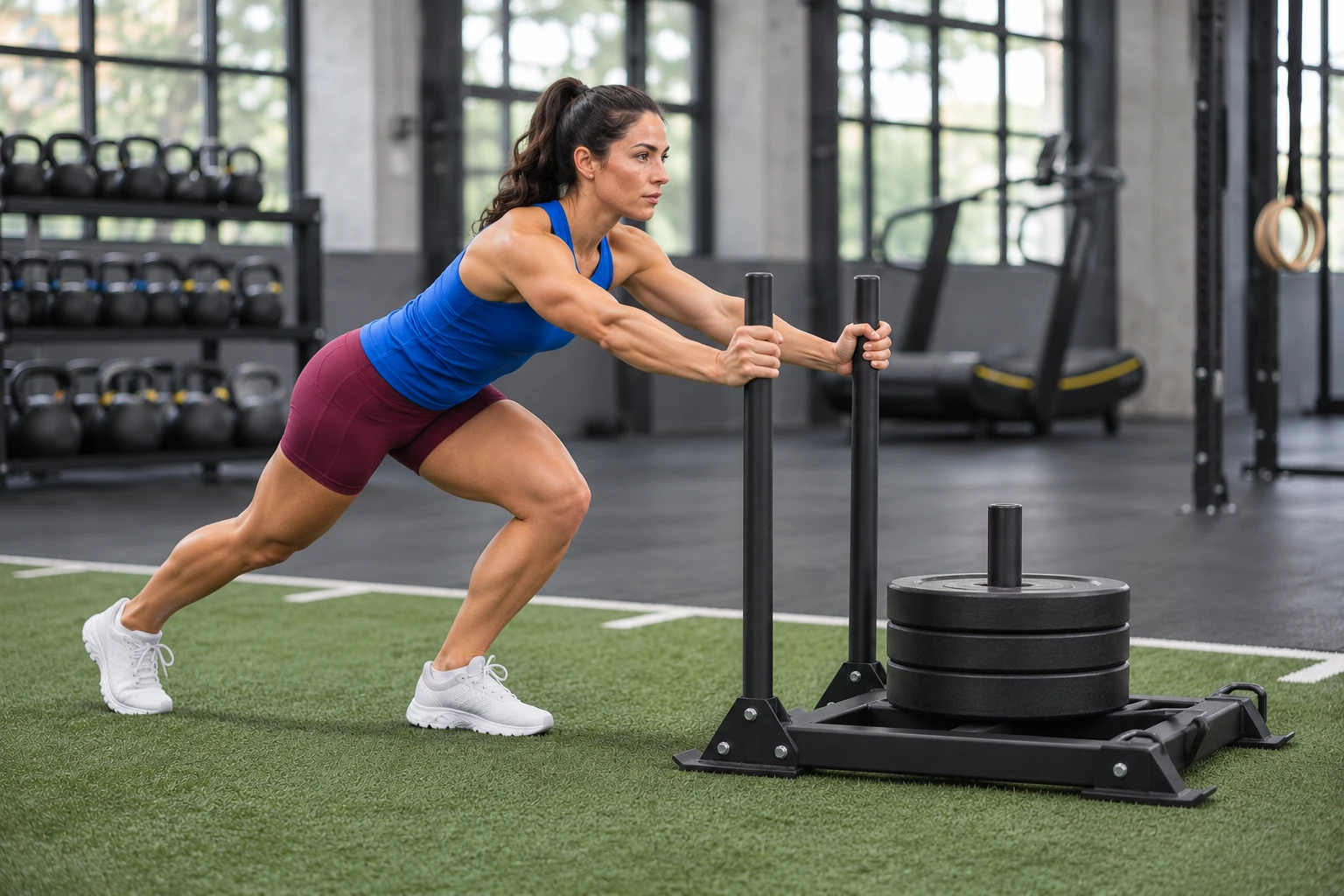
At the time of the interview, Louw was also delivering online programming and working part-time in children’s movement development. Becoming a full-time athlete remains an ambition, but her training currently sits alongside those responsibilities. Her story is therefore about rebuilding an athletic pursuit while managing its demands, not simply training harder. This feature draws on Greg Williams’ interview and profile for Rox Lyfe.
+What was Danel Louw’s sporting background before HYROX?
+How has Danel Louw changed her running intervals?
+How is Louw working on burpee broad jumps?
This story is based on reporting from the original source.
Tagged