Glossary
Range of motion
Range of motion
Pronounced: RAYNJ uhv MOH-shuhn
Range of motion is the amount of movement available at a joint or used during an exercise. For athletes, it helps describe technique, compare repetitions and select suitable exercise variations. Training through a controlled, appropriate range develops strength in the positions needed for lifting, running and race tasks.
Range of motion, often abbreviated to ROM, describes the extent of movement at a joint, commonly expressed as an angle. In training, it also describes the portion of an exercise travelled between defined starting and finishing positions.
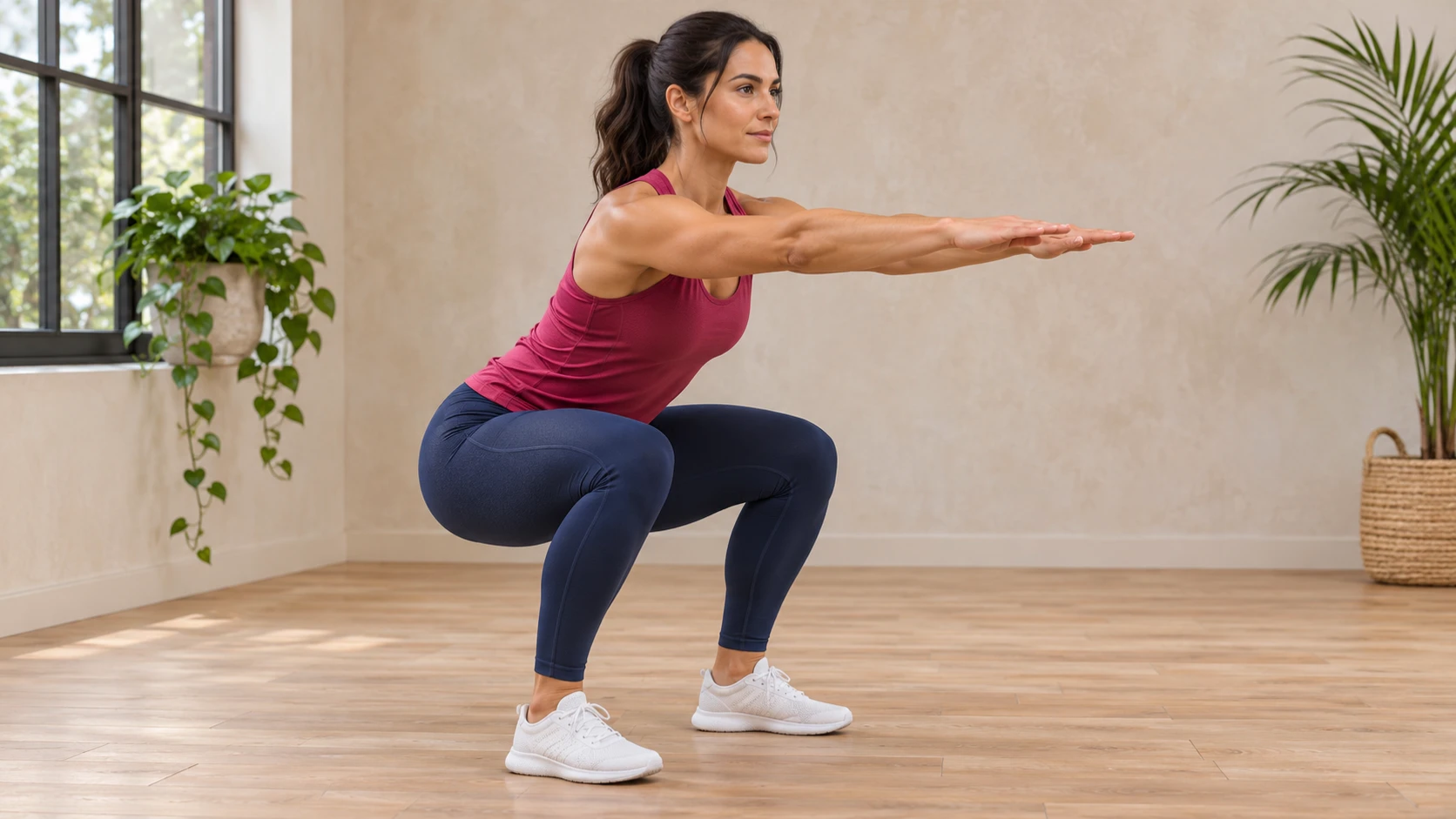
Range changes an exercise's demands and what a training result means. A heavier squat performed to a shallower depth is not directly equivalent to a lighter, deeper squat. Consistent movement boundaries make progression easier to assess and help athletes prepare for competition standards.
Available range is influenced by joint structure, surrounding tissues, symptoms and neuromuscular control. The range used in an exercise also depends on setup, load and technique. Full range should therefore be defined for the particular movement and athlete, rather than treated as the greatest possible joint excursion. Strength adaptations are influenced by the positions trained, so deliberately shortening a movement changes its training emphasis. Range of motion is related to flexibility and mobility, but the terms are not interchangeable.
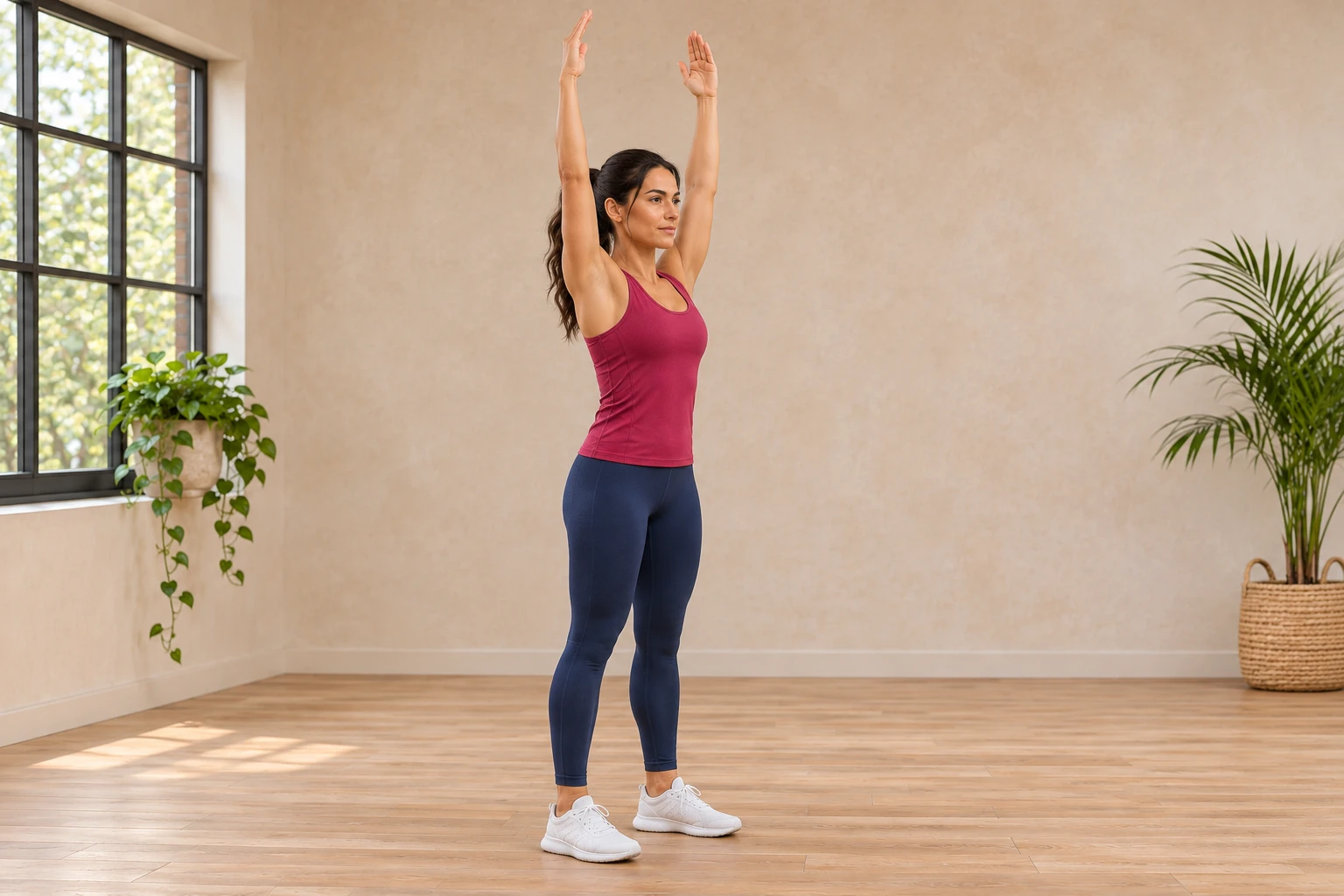
In a squat, range can be described using hip and knee movement or a clearly defined depth. In a calf raise, it includes the controlled travel between the lower and upper heel positions. In an overhead press, reaching higher by extending the lower back changes body position rather than simply adding shoulder range.
Set a repeatable start and finish for each exercise and record any modification. Progress load, repetitions or range deliberately rather than changing all three at once. When expanding range, use a manageable load and check that you can control the new positions. Partial-range exercises can be planned accessories, but should not silently replace the prescribed movement as fatigue builds.
HYROX movements such as wall balls and sandbag lunges have judging standards that make movement range relevant to valid repetitions. Practise the current standards for your event and division. In training, reduce load or set length when needed to maintain the required movement; a modified practice repetition is not automatically a valid race repetition.
+Is a greater range of motion always better?
No. The appropriate range depends on the exercise, your anatomy, control and the task you are training for. Greater depth or reach is not automatically useful if it requires losing the intended position or causes pain.
+Do partial repetitions count as useful training?
Yes. Deliberate partial repetitions can train selected positions or manage an exercise's demands. Record them as partials rather than comparing their load or repetition count directly with full-range work.
+What is the difference between active and passive range of motion?
Active range is movement produced by your own muscular effort. Passive range is movement available with an external force, such as assistance from another person. Having passive range does not necessarily mean you can actively control it under load.
Also known as: ROM, joint range of motion, movement range
How should you assess range of motion in training?
Range of motion describes how far a joint or exercise moves. The practical question is not simply whether you can go further, but whether you can repeat the intended movement with control and without pain.
How can you make repetitions more consistent?
- Define the movement: choose clear starting and finishing positions before the set.
- Check it during the warm-up: use an unloaded or lighter version before adding resistance.
- Keep the setup consistent: stance, equipment and support can change the available range.
- Record changes: note a different box height, reduced depth or deliberate partial repetition alongside the load.
How can you scale specific movements?
- Squat: reduce the load and use a box as a repeatable depth reference. Choose a height you can reach under control rather than dropping onto the box.
- Overhead press: reduce the load or use an angled landmine press if you cannot maintain the intended trunk position overhead. The alternative changes the movement demands.
- Lunge: use bodyweight and light hand support before adding external load. Reduce depth if necessary for controlled practice, then build towards the range your task requires.
- Calf raise: begin on flat ground if lowering the heel from a step is not controlled. Avoid bouncing to create extra travel.
When should you stop or seek advice?
End the set when fatigue repeatedly shortens the intended range or you can no longer control the movement. Stop the exercise if it causes sharp or increasing pain, numbness or a sudden sense of instability. Do not force through these symptoms to reach a depth target.
Persistent pain, swelling or an unexplained loss of movement warrants advice from a qualified healthcare professional. General training guidance cannot establish why a joint feels restricted or determine whether an injury is present.
Discover more from Physiopedia - Range of Motion