
Articles
Winter Fuelling: The Basics Hybrid Athletes Should Check
Winter fuelling means keeping food and fluid habits consistent when colder weather and social plans disrupt your routine. Runner’s World highlights vitamin D, vitamin C and hydration as areas runners can overlook. For hybrid athletes, the practical takeaway is to review those basics rather than assume winter training needs less attention.
By Relentless Bravery ·
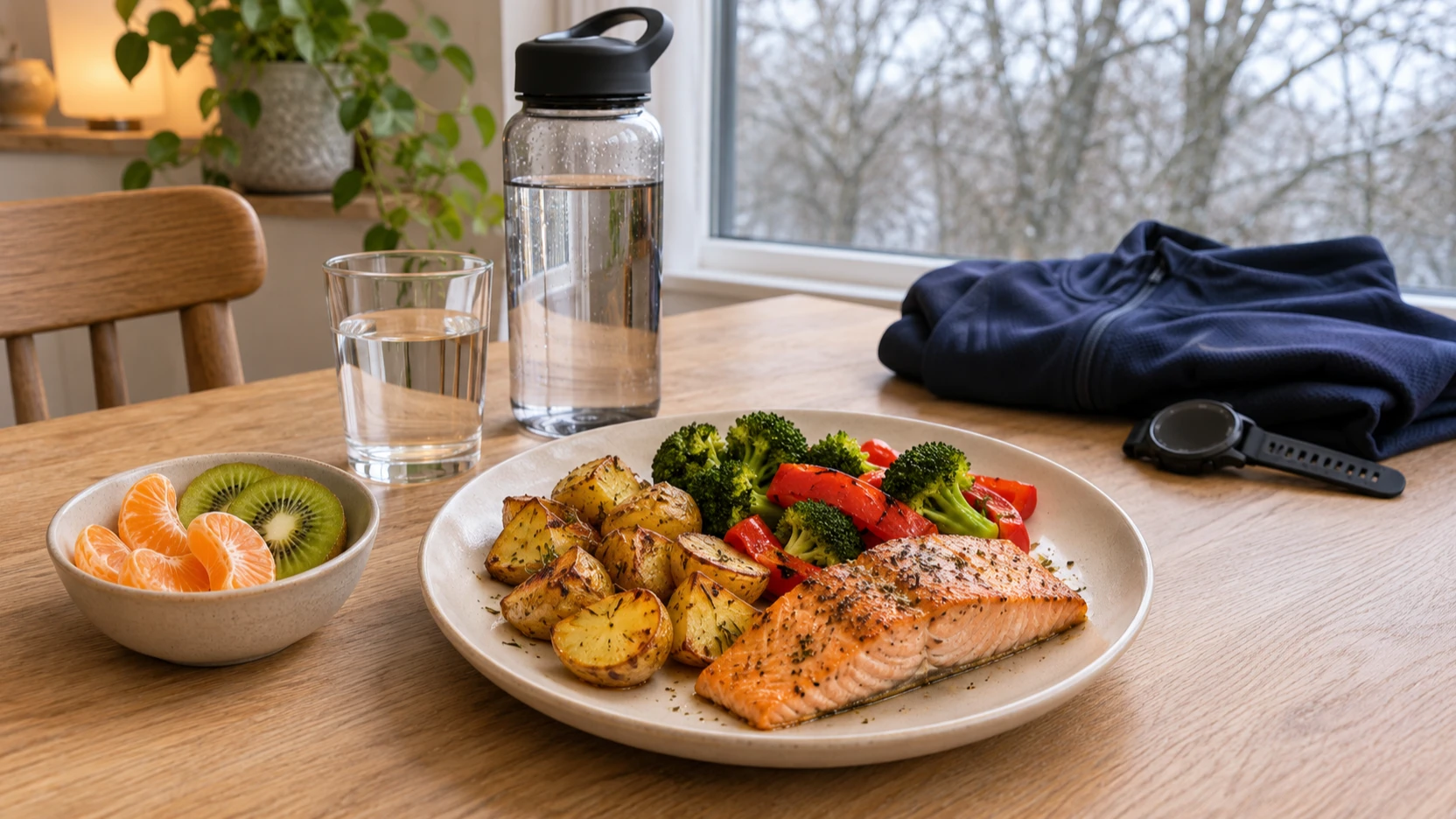
Cold weather can change your eating and drinking habits without making those changes particularly obvious. Social gatherings move meals around, seasonal menus alter familiar food choices, and lower temperatures provide fewer reminders to drink.
A Runner’s World feature examines these winter nutrition pitfalls through advice from registered dietitians with competitive sporting experience. The supplied material includes guidance from Maddie Alm, founder of Fueling Forward Sports Nutrition in Colorado, and Sakiko Minagawa, a sports medicine dietitian at Nationwide Children’s Hospital in Ohio and two-time Olympic Marathon Trials qualifier.
For athletes preparing for HYROX or other hybrid races, the relevance is to the running within their preparation. This is a seasonal habits check, not a new study or a race-specific nutrition protocol.

Where can winter fuelling fall short?
Alm identifies vitamin D as one area worth checking. Shorter days and colder conditions can reduce exposure to the UVB rays involved in the body’s production of vitamin D, and she describes winter deficiencies as common among athletes.
Vitamin D supports bone health and contributes to immune, digestive and brain function. The feature also notes an association between low blood levels and a higher risk of depression; that association should not be read as a promise that supplements will improve mood.
Food options listed include salmon, tuna, egg yolks and mushrooms, alongside dairy foods and some fortified cereals and juices. Alm recommends bloodwork once or twice a year and professional advice if levels are low. Supplements may be useful when food alone does not provide enough, rather than being an automatic answer for every athlete.
How can everyday meals cover vitamin C?
Minagawa highlights another potential omission: vitamin C. It supports immune function and is needed to produce collagen, which is important for tissue growth and repair. She makes a useful distinction: vitamin C does not necessarily prevent illness, although some research suggests it may shorten cold symptoms.
The feature gives daily intake targets of 75 milligrams for women and 90 milligrams for men. Its examples show that ordinary foods can cover those amounts: a large red or orange pepper provides about 210 milligrams, while a cup of raw strawberry halves supplies around 90 milligrams.
There is also a practical pairing opportunity. Vitamin C helps the body absorb iron, so Minagawa suggests combinations such as spinach and strawberries, an omelette with spinach and red peppers, or tomato soup with lentils or black beans.

What should hybrid athletes check before a winter run?
- Check meal timing when social plans disrupt your usual eating schedule.
- Include vitamin D food sources and discuss suspected low levels with a qualified health professional.
- Make vitamin C-rich fruit and vegetables a regular part of meals.
- Keep drinking throughout the day, including before and after training: sweating still occurs in cold conditions.
- Do not overlook food and fluids during runs simply because the weather feels cooler.
The hydration message is particularly straightforward. Finishing without an obviously soaked top or a dry mouth does not remove the need to replace fluids. Minagawa stresses that cold-weather running still involves sweat loss, while the feature emphasises that mid-run fuelling and hydration remain important for performance.
For hybrid preparation, use these points to review your running routine, not to calculate an entire race nutrition strategy. The supplied extract gives no complete fluid or carbohydrate prescription. Keep movement-specific scaling and stop conditions within an individual training plan agreed with your coach; this nutrition feature does not establish either. Suspected deficiencies or other medical concerns need clinician review.
This feature draws on the supplied winter nutrition guidance from Runner’s World, including advice from registered dietitians Maddie Alm and Sakiko Minagawa.
+Do runners still need to hydrate in cold weather?
+Should every athlete take vitamin D in winter?
+Which foods provide vitamin C?
This story is based on reporting from the original source.
Tagged