
Articles
Matthew Marquardt’s priorities: ambition without losing balance
Matthew Marquardt’s priorities are close relationships, medical school and triathlon. The American Kona podium finisher organises his commitments around those three areas rather than a rigid routine. For HYROX and hybrid athletes, his approach offers a practical way to examine whether training ambitions fit alongside the people and responsibilities that matter.
By Relentless Bravery · · Updated
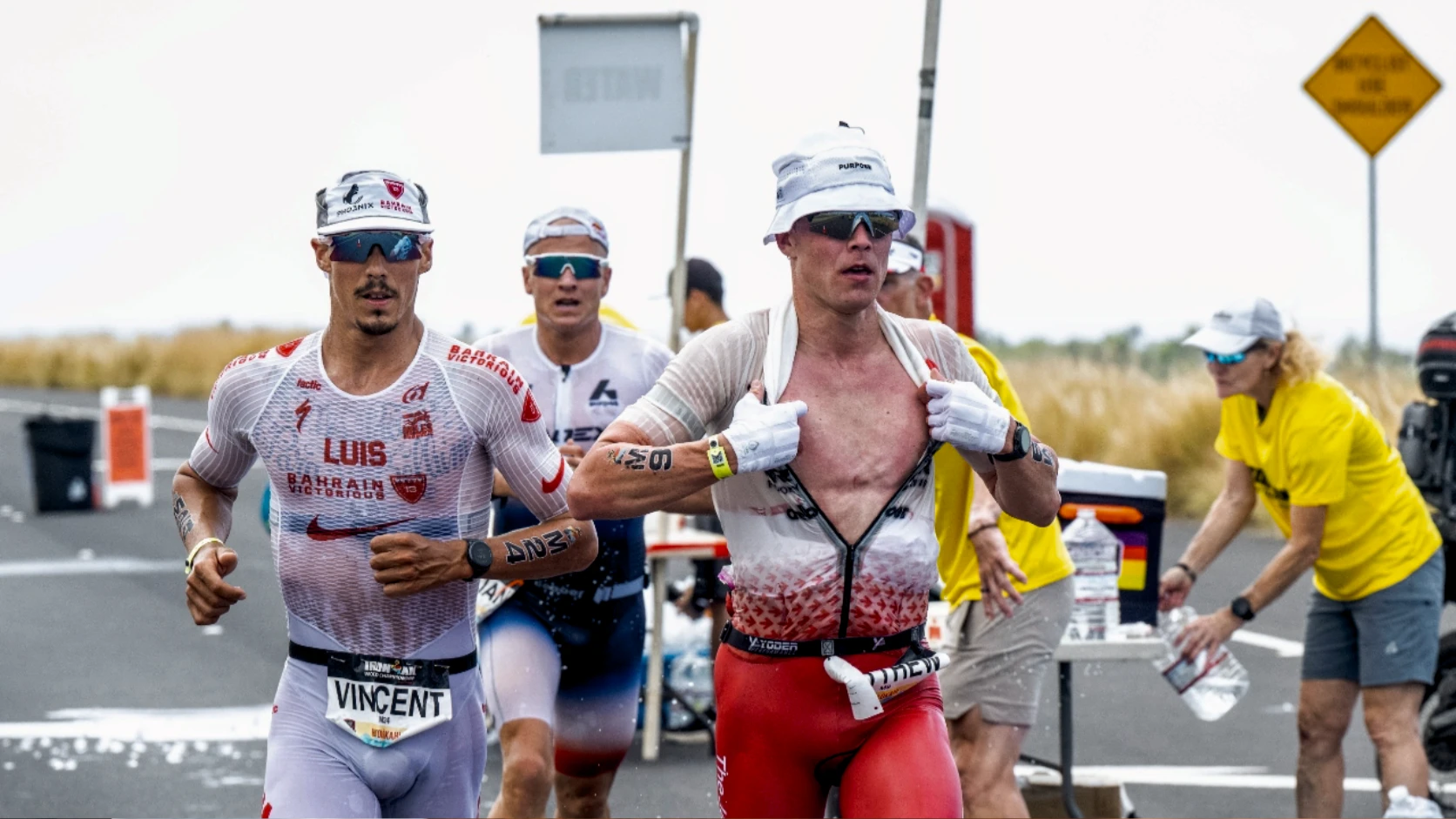
Matthew Marquardt reached third place at the IRONMAN World Championship in Kona while studying medicine. Yet the American professional triathlete’s explanation of that balancing act is less about squeezing more into every hour and more about deciding what deserves space in the first place.
In an Instagram post covered by TRI247, he described a life organised around three commitments: close relationships, medical school and triathlon. For athletes preparing for HYROX or other hybrid races, the useful lesson is not to copy his workload. It is to examine the choices behind it.
What are Matthew Marquardt’s priorities?
Marquardt favours adaptable principles over fixed routines. His reasoning is that a routine cannot account for every change in circumstances, whereas a clear set of priorities can guide the next decision.
He has found that two or three major commitments are manageable for him. Trying to give more than three equal attention makes that balance unravel; concentrating exclusively on one creates costs elsewhere. This is his personal experience, not a universal limit for every athlete.
Although relationships, medicine and sport broadly share importance, their order is flexible. An approaching deadline or a relationship commitment can change what comes first that hour, day or month. His practical starting point is to make room for:
- His planned training for the day, keeping triathlon among the commitments considered before less important demands.
- The academic deadline closest at hand, giving medical school a clear place in his decisions.
- Time with his partner Sarah, rather than treating the relationship as whatever fits after work and sport.
- Other commitments once those central priorities have been accounted for, with their order allowed to change.

Why does life beyond racing matter?
Marquardt studies at Ohio State University and hopes to become a head and neck cancer surgeon. His medical ambitions are connected to his own experience as a collegiate swimmer at Princeton, where fatigue and worsening performances preceded a sleep apnoea diagnosis. He has identified that experience as part of his motivation to pursue medicine.
Cancer awareness also features in his racing. His bike carries the initials of people affected by the disease, and he supports research fundraising through Pelotonia.
That context matters: Kona is one achievement within a life containing several substantial ambitions. Marquardt also acknowledges that his circumstances are not equivalent to those of a parent balancing sport with children. He does not have children and recognises the additional unpredictability parents face.
What can HYROX athletes take from his approach?
The transferable idea is a check on your calendar, not a new training formula. Start by naming what matters most, then ask whether your actual commitments reflect those choices. A race goal can be important without automatically outranking every other part of life.
Marquardt describes a persistent feeling of insufficient time as a possible mismatch between priorities and actions. He also makes clear that applying this principle remains a work in progress for him. His podium does not mean he considers the balancing act solved.
Just as importantly, he argues for enjoyment during the process rather than reserving satisfaction for the finish. He rejects the idea that sporting success justifies serious damage to a relationship or to mental or physical health.
For a hybrid athlete, that offers a useful question before adding another commitment: does it serve the life you want alongside the result you want?
This feature draws on Jonathan Turner’s reporting for TRI247, which covered Marquardt’s Instagram explanation of his priorities, medical ambitions and approach to balancing sport with life.
+How does Matthew Marquardt balance medicine and triathlon?
+How can hybrid athletes adapt training when other priorities need attention?
+When should an athlete stop rather than scale a session?
This story is based on reporting from the original source.
Tagged