
Challenge · 2025
#91: 100 Box Step-Overs (With Dumbbells or Kettlebells)
Build unilateral leg power, balance, and coordination with 100 box step-overs. A simple but effective conditioning and strength combo.
By Editorial Team · · Updated
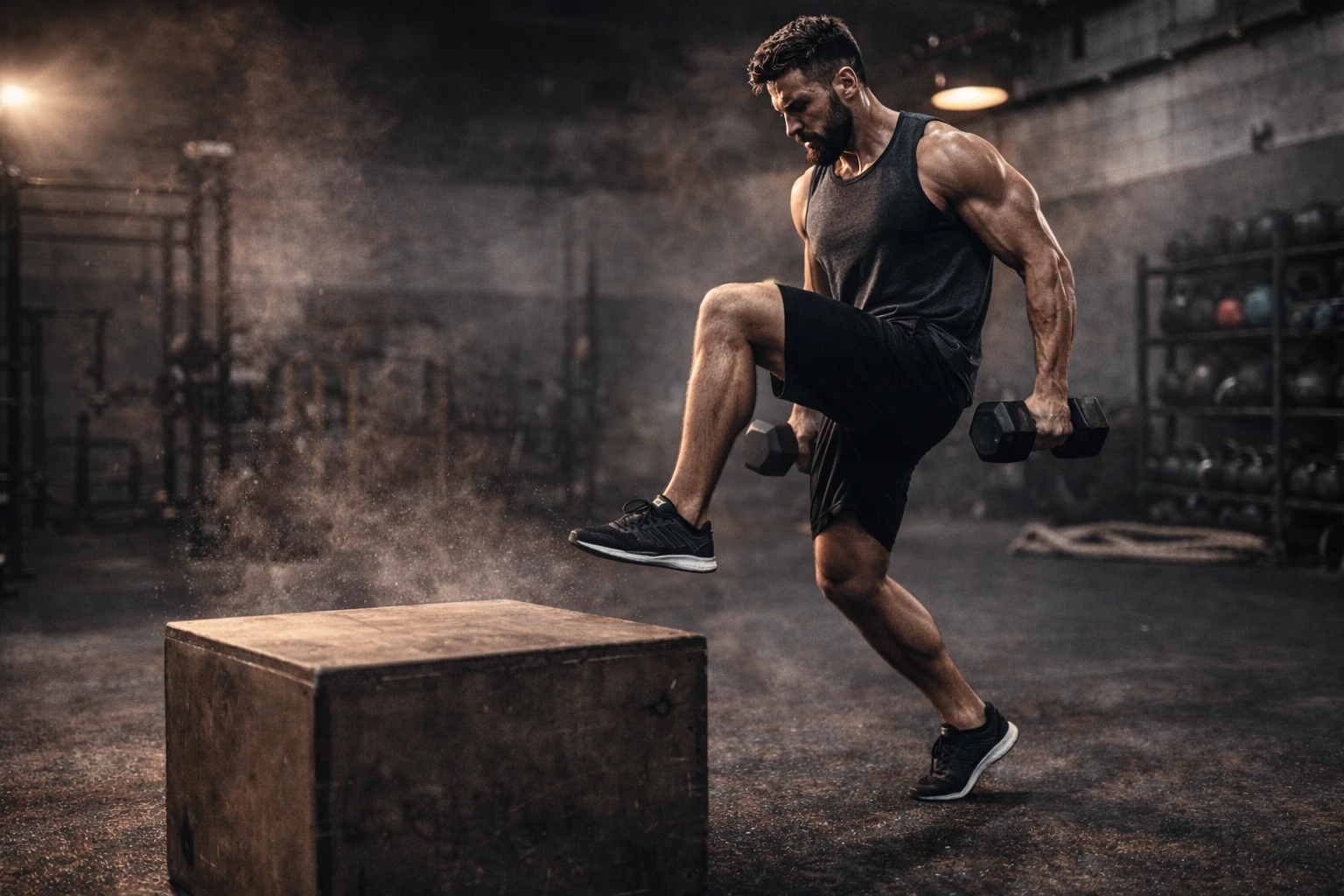
Box step-overs combine all the best elements of unilateral lower-body strength, coordination, and conditioning. More dynamic than step-ups and safer than box jumps, they offer functional carryover to everything from trail running to rugby.
In Challenge #91, you’ll complete 100 total step-overs, using a box, bench, or stable platform ideally with a pair of dumbbells or kettlebells for load.
This movement is a staple of functional training for good reason. It challenges your balance, tests your glutes, and builds serious work capacity.
“Step-overs demand coordination and control under fatigue two things that make athletes harder to break.” - RB100.Fitness
Challenge Format
- Reps: 100 total (50 each direction)
- Load: Dumbbells, kettlebells, or sandbag
- Box Height: Standard 20-24” (adjust to athlete)
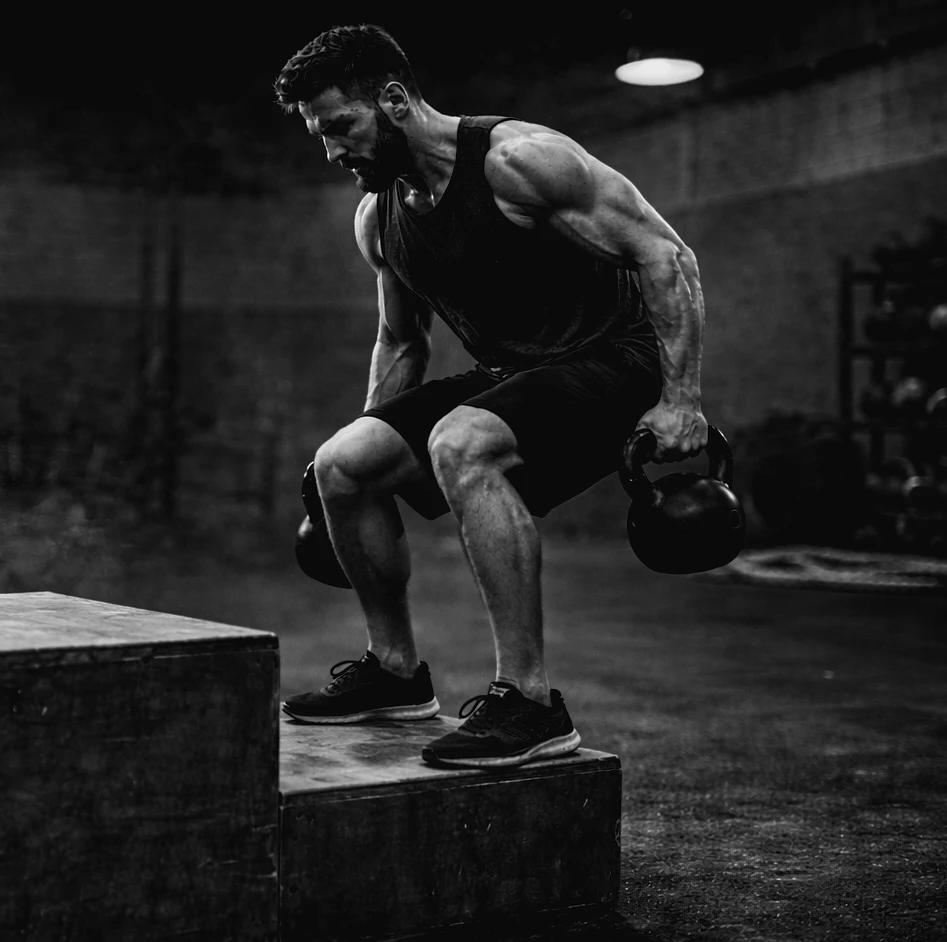
- Movement Standard: Step laterally onto box, maintain tall posture
- Step down under control on the opposite side
- Alternate sides every rep or perform in blocks of 10-25 per side
Suggested Set Structures
- 10 × 10 alternating
- 5 sets of 20 with rest
- EMOM: 10 reps per minute for 10 minutes
- Ladder format: 5-10-15-20-25 with 30s rest
Log your sets, box height, and weights used in the RB100 Tracker.
Why It Works
Step-overs are an anti-fragile movement - they train you to shift weight, stabilise, and move laterally with control. Ideal for athletes, lifters, and anyone rebuilding after injury.
Muscles Worked:
- Glutes
- Quads
- Calves
- Core stabilisers
- Hip abductors and adductors
Technique Tips
- Use a soft step-down - don’t slam your foot
- Keep core braced to avoid trunk rotation
- Hold weights tight at your sides - don’t let them swing
- Don’t rush the movement - control equals safety and stimulus
Scaling & Progressions
Beginner:
- Bodyweight only
- Lower box (12-16”)
- Step-ups instead of over
Intermediate:
- Add dumbbells or kettlebells
- Alternate sides every rep
Advanced:
- Increase load
- Hold weights in front rack or overhead
- Pair with a finisher like #66: Sled Pushes
Recovery & Integration
You’ll feel it most in:
- Quads and glutes
- Calves and ankles
- Core (from carrying and bracing)
Cool down with calf stretches, hip mobility, and deep squats. Top it off with #28: Mobility Routine and hydration from #23: 100oz Water Daily.