
Articles
Pearson’s World Cup Win: Breakaway Sets Up San Pedro Victory
Pearson’s World Cup win in San Pedro de la Paz came from combining an eight-man bike breakaway with a decisive 30:27 run. The American beat Louis Vitiello by 33 seconds, offering hybrid athletes a clear race-day lesson: the fastest final split does not necessarily deliver the best overall result.
By Relentless Bravery ·
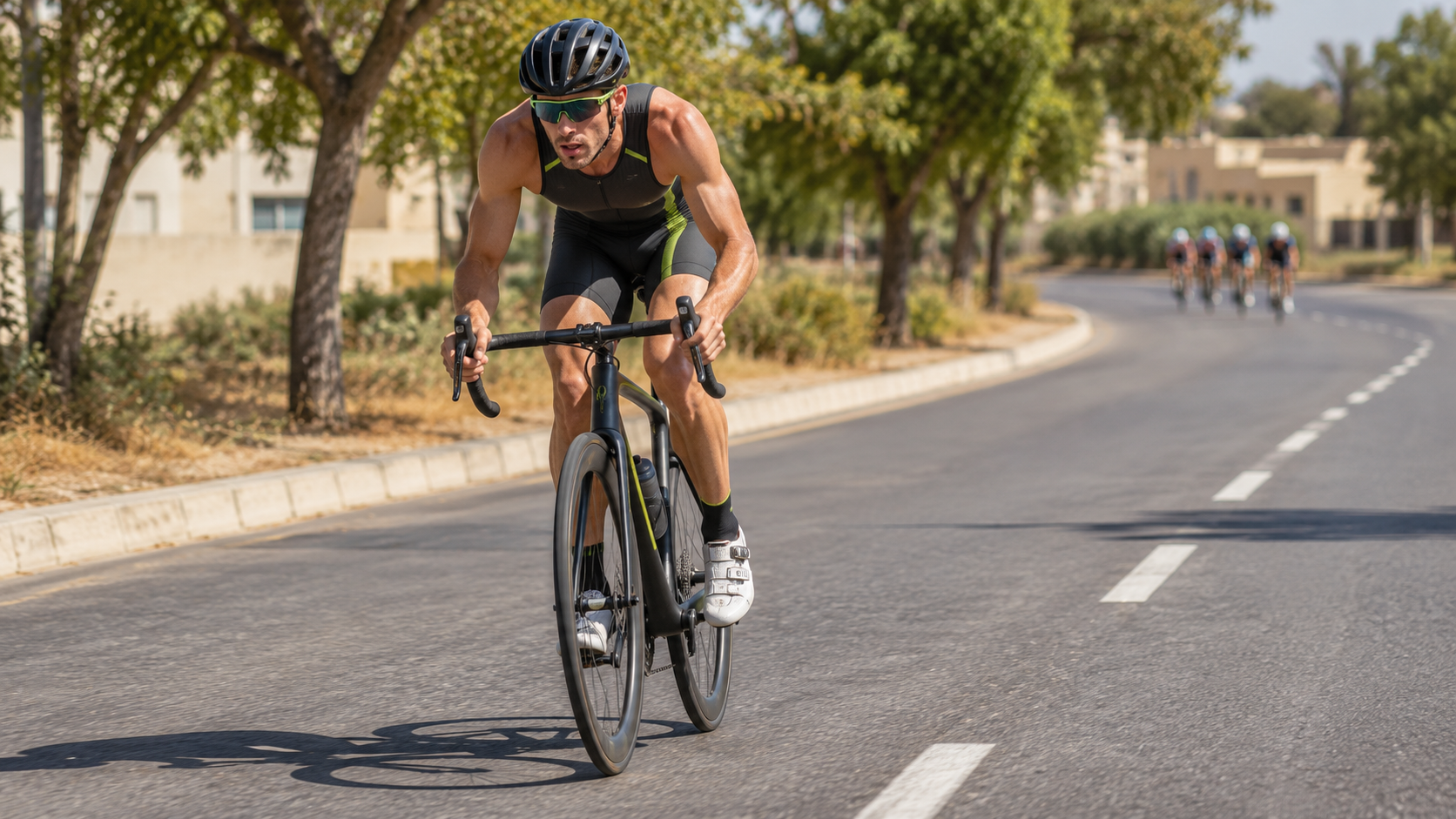
Morgan Pearson won the men’s World Triathlon Cup in San Pedro de la Paz, Chile, on 1 November 2026, turning an eight-man bike breakaway into a decisive running advantage. The American’s 30:27 run secured victory by 33 seconds over France’s Louis Vitiello, with Hungary’s Márton Kropkó taking bronze three seconds later.
For athletes preparing for HYROX or hybrid racing, the result offers a useful distinction: winning the final discipline and producing the fastest standalone split are not always the same thing. Pearson’s advantage was built before he started running.
How did Pearson’s World Cup win take shape?
The 65-man field raced a two-lap 1.5km swim, eight-lap 40km bike and four-lap 10km run. Water temperature was 18°C, with air temperature at 14°C, and wetsuits were permitted.
Chile’s Diego Moya led the swim in 17:09 and exited the first transition ahead. Pearson, Vitiello and Kropkó were among six athletes within eight seconds of him. That positioning mattered: the leading swimmers established the bike move that would shape the podium.
Moya, Pearson, Vitiello, Kropkó, Pelayo González Turrez, Baptiste Passemard, Joshua Bird and Benedikt Bettin worked together to reach the second transition roughly 80 seconds clear of a chase group containing more than 30 athletes. Sullivan Middaugh recorded the day’s quickest bike split, 56:02, from that chase, but could not erase the deficit.
Who delivered when the race reached the run?
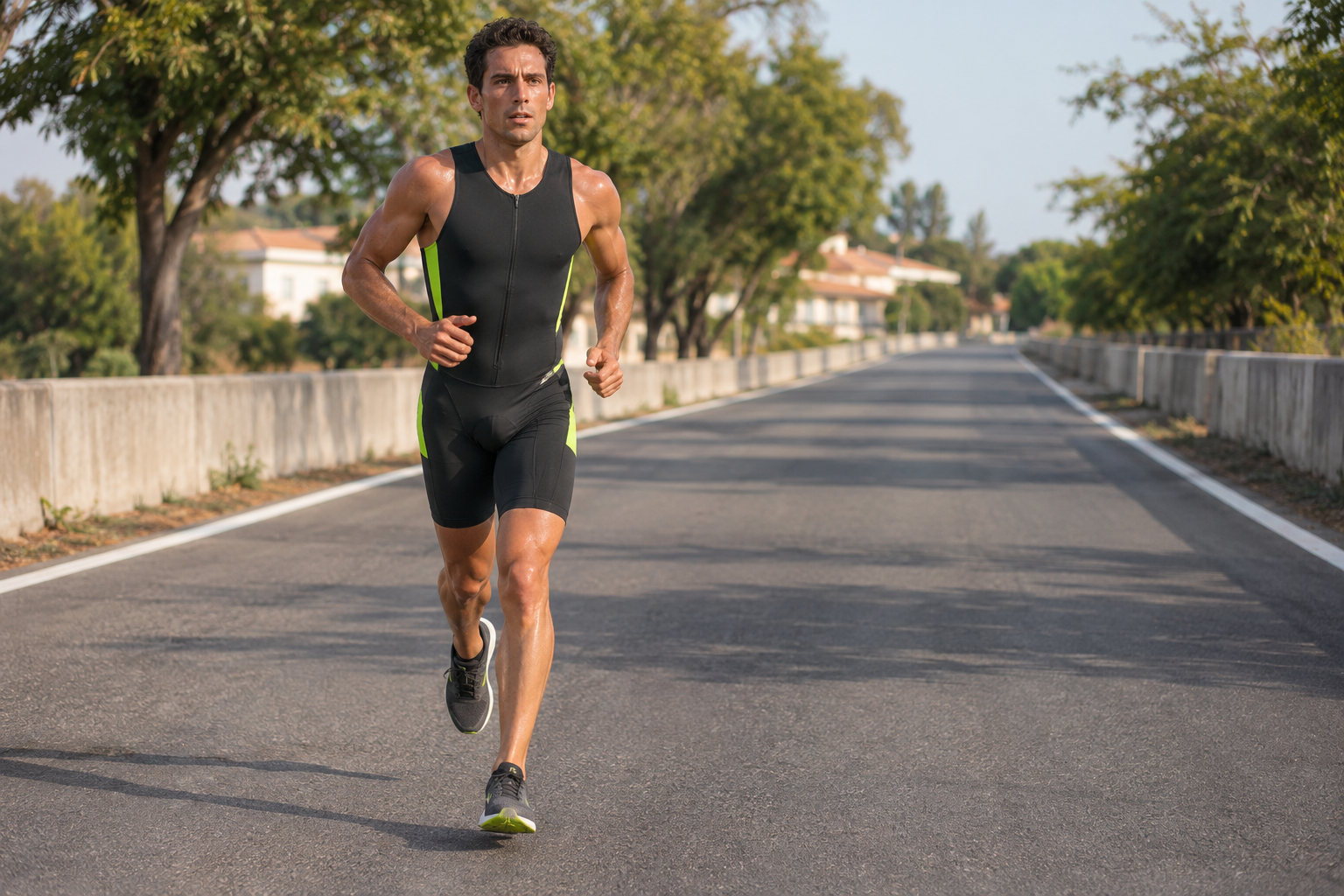
Vitiello reached the second transition first and was first onto the run, but Pearson moved ahead almost immediately. His 30:27 was 35 seconds quicker than any other athlete in the leading group.
Behind him, Vitiello, Kropkó and González contested the remaining medals. González drove the pace on the short climbs, while Moya chased alone before joining them as the final lap began. González faded inside the last kilometre, leaving Vitiello to beat Kropkó for silver. González finished fourth and Moya fifth.
Vitiello earned his first World Cup podium and best career result. For Pearson, a mixed relay silver medallist at both Tokyo and Paris, victory followed a crash and non-finish at the Beijing World Cup two weeks earlier.
The anticipated contest between previous gold and silver medallists Manoel Messias and David Cantero del Campo never developed. Both lost substantial time in the swim; Messias finished 39th and Cantero did not finish.
What should hybrid athletes take from the result?
Antonio Serrat Seoane supplied the clearest illustration of why the complete race matters. His 30:23 was the fastest run overall, four seconds quicker than Pearson’s, yet he finished sixth after coming from the chase group. Equally, making the breakaway did not guarantee a high placing: Bird eventually finished 32nd.
For HYROX preparation, treat this as a race-analysis example rather than a training prescription. The report does not establish an optimal workout or pacing formula. Its practical value is the reminder to examine how earlier efforts influence what remains possible later.
- Review the sequence, not just the quickest split. Note where you gained or lost time before your strongest section.
- When practising running after another effort, shorten the run or use an easy jog or run–walk if you cannot maintain controlled movement.
- For loaded movements preceding a run, reduce the load or repetitions if technique deteriorates. Stop the set rather than forcing poor repetitions.
- Stop running if pain changes your stride. Do not treat Pearson’s immediate attack as an instruction to push through warning signs.
Pearson’s victory rested on connecting the disciplines: staying close through the swim, contributing to the successful breakaway and then converting that position on foot. Race results, splits and reporting are credited to World Triathlon.
+Who finished on the podium in San Pedro de la Paz?
+Did Pearson record the fastest run of the race?
+What can hybrid athletes take from this result?
Tagged